

Best daily routine for managing PCOS naturally
Living with PCOS is not just about controlling symptoms; it is about understanding how your body works, paying attention to its signals, and choosing habits that support long-term balance. For many women, PCOS feels confusing because the advice often feels conflicting.
One person recommends exercising more, while another suggests slowing down. One plan promises fast weight loss, while another warns against intense workouts. The truth is, with PCOS, movement should support your hormones, not fight them. That’s why choosing the right exercise for PCOS and following a realistic daily routine is one of the most powerful natural tools you have.
This guide is here to show you what to do, why it works, and how to build a daily routine that actually fits your real life.
Let’s briefly understand what PCOS is first.
What is PCOS?
Polycystic ovary syndrome (PCOS) is a hormonal and metabolic condition that affects how the ovaries function. It is often linked to insulin resistance, inflammation, and higher levels of male hormones (androgens).
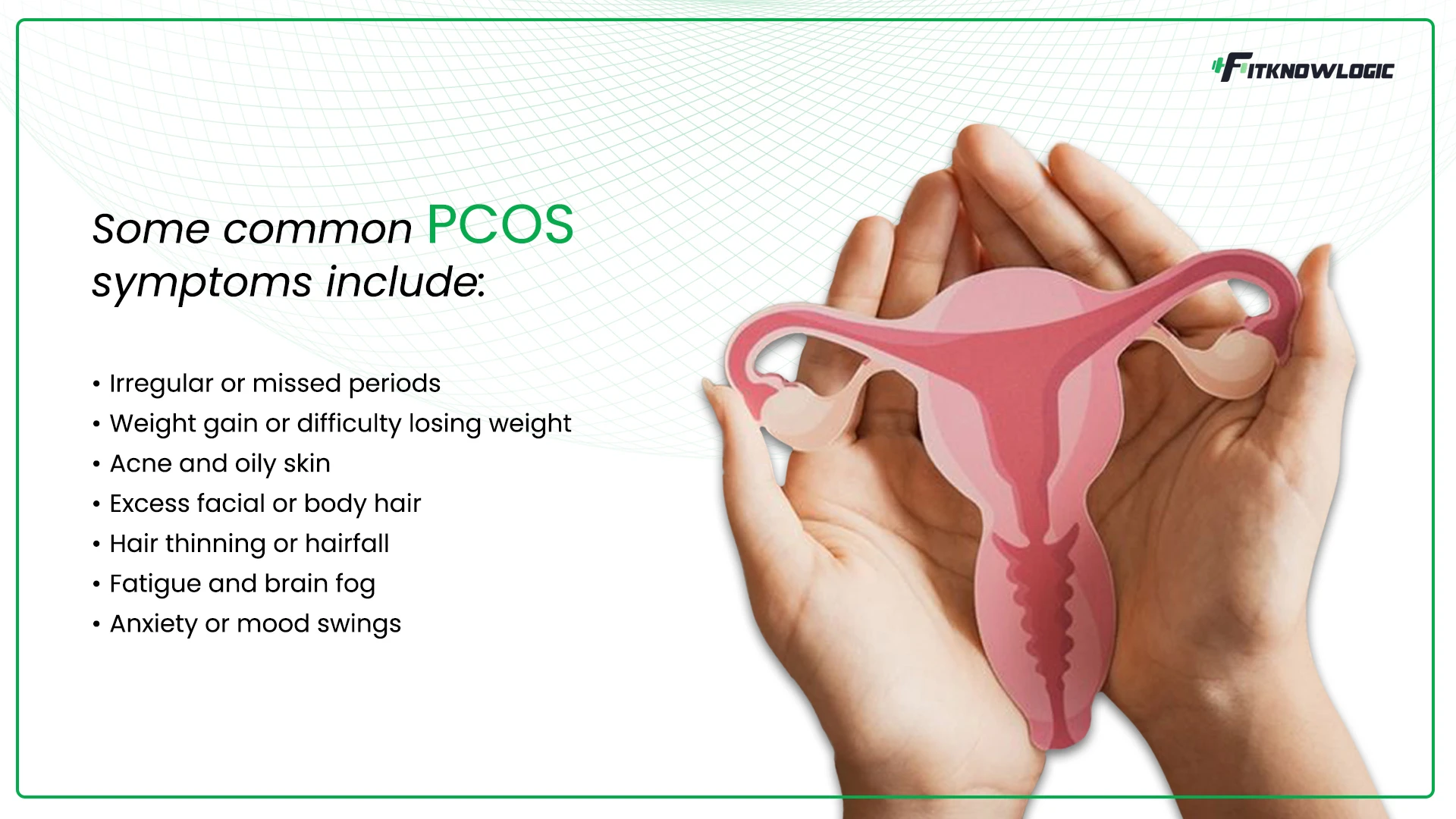
Some common PCOS symptoms include:
- Irregular or missed periods
- Weight gain or difficulty losing weight
- Acne and oily skin
- Excess facial or body hair
- Hair thinning or hairfall
- Fatigue and brain fog
- Anxiety or mood swings
PCOS is not caused by laziness, poor willpower, or lack of discipline; it is just a biological condition, and exercise works best when it respects that reality.
Why is exercise essential for managing PCOS naturally?
Exercise is not just about punishment or burning calories when you have PCOS. It is about sending safety signals to your hormones. When done correctly, exercise will help you by:
- Improving your insulin sensitivity.
- Lowering your excess androgen levels.
- Reducing your chronic inflammation.
- Balancing your cortisol (stress hormone).
- Supporting your ovulation and cycle regularity.
- Improving your mental health and confidence.
The wrong type of exercise, done too often, can increase your stress hormones and make your symptoms worse, and that’s why a proper exercise strategy matters.
What is the biggest myth about exercise and PCOS?
One of the most damaging myths is that more exercise means better results. For people with PCOS, this is often false. If you are doing an exercise high-intensity exercise workout, it can:
- Raise your cortisol.
- Increase your cravings.
- Hinder your weight loss journey.
- Disrupt your menstrual cycles.
- Worsen your body fatigueness.
The best exercises for PCOS are not extreme; they are consistent, hormone-friendly, and adaptable.
What makes an exercise truly PCOS-friendly?
PCOS-friendly exercises have a few key characteristics that will be visible to you. They will help you by:
- Building your muscles without overstressing the body.
- Improving your insulin sensitivity
- Lowering your stress instead of increasing it
- Keeping you sustainable in the long term.
If an exercise leaves you exhausted, moody, or impaired for days, then it is not good for you, and it is also not helping your hormones.
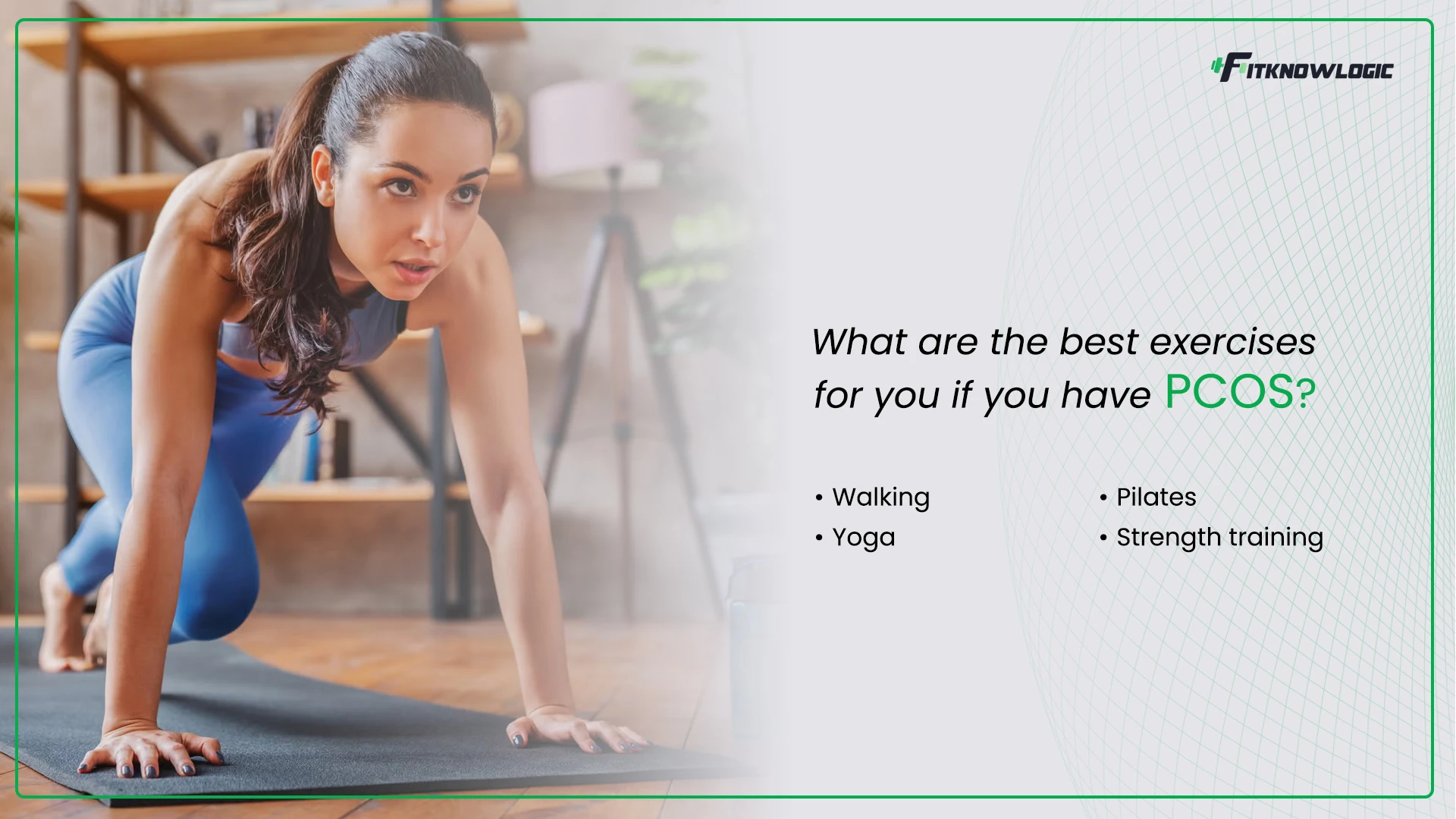
What are the best exercises for you if you have PCOS?
If you have PCOS, then these exercises are best for you…
Walking
Walking is often overlooked, but it is one of the most effective daily exercises for PCOS. It gently improves your insulin sensitivity without raising cortisol and also supports your digestion, circulation, and mental clarity. Let’s dive into how walking works for PCOS and the best way to walk for your PCOS.
Walking works better for PCOS because:
- It keeps your blood sugar stable.
- It encourages your fat metabolism.
- It reduces your anxiety naturally.
- It helps you by improving your sleep quality.
Best way to walk for PCOS:
- Walk for 30-60 minutes daily.
- Try brisk walking, but at a comfortable pace.
- Try to walk outdoors rather than indoors.
Walking after meals can further improve your insulin response and balance your PCOS.
Strength training
Strength training is one of the most powerful tools for managing PCOS naturally. Muscle tissue uses glucose efficiently, which directly improves insulin resistance. Here are some benefits and the best strength exercises for PCOS:
Strength training helps you by:
- Improving your metabolic health
- Reduces your abdominal fat
- Balances your estrogen and androgen levels
- Supports your long-term weight management
Best strength exercises for you:
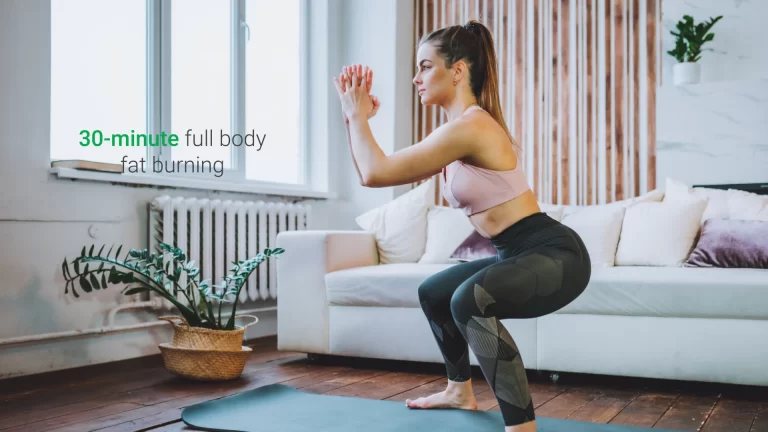
- Squats
- Lunges
- Glute bridges
- Push-ups
- Rows
- Resistance band workouts
You can do strength training for:
- 3-4 times per week.
- 20-45 minutes per session.
You don’t need any heavy weights, and consistency matters more than intensity.
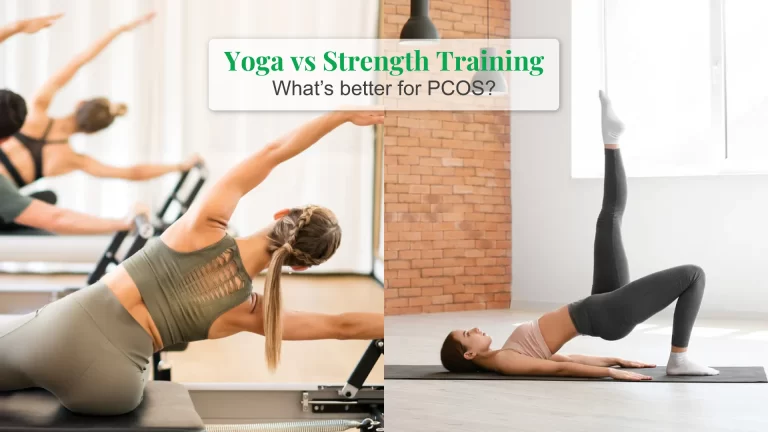
Yoga for PCOS
Yoga is one of the most recommended practices for PCOS because it targets your stress, nervous system balance, and hormone regulation.
Yoga helps you by:
- Lowering your cortisol
- Improves your blood flow to the reproductive organs
- Supports your thyroid and adrenal health
- Improved your emotional resilience
Best yoga poses for PCOS:
- Butterfly pose
- Cobra pose
- Bridge pose
- Cat-cow stretch
- Leg up the wall
Ideal time and practice for yoga:
- You have to work for 20-30 minutes of yoga daily.
- You just need to keep a gentle flow and perform restorative yoga.
Yoga is especially helpful if your PCOS symptoms worsen during stress.
Pilates
Pilates strengthens the core and pelvic muscles while remaining low-impact for you. It is excellent for women who find traditional workouts too harsh.
Pilates helps you by:
- Building lean muscles
- Improving your posture and pelvic stability
- Enhances your body awareness
- Reduces your hormonal stress
Pilates is ideal for:
- Beginners
- People with joint pain
- Postpartum women with PCOS
Low-impact cardio
Cardio is helpful for PCOS when done mindfully and at a consistent pace. Here are some best cardio options you can opt for in your workout plan with the frequency you need in the schedule.
Best low-impact cardio options are:
- Cycling
- Swimming
- Dancing
- Elliptical
- Light jogging
Frequency you need in low-impact cardio:
- 3-4 times per week
- 20-30 minutes per day
Remember to avoid long daily sessions that leave you exhausted.
How can you plan your daily movement for your PCOS?
You can plan your daily movement for your PCOS by following the routine below:
Morning (15-30 minutes)
- Do a gentle yoga or stretching
- Do breathing exercises
- Do a short walk
Midday or evening (30-45 minutes)
- Perform strength training or pilates
- Do walking or low-impact cardio
Night (10 minutes)
- Do a light stretching
- Do walking or low-impact cardio
This structured plan will support your hormone rhythm and energy balance.
What is the balanced weekly workout plan for your PCOS?
You can easily opt for or modify under some guidance this balanced weekly workout plan for your PCOS:
- Monday: Strength training + walk
- Tuesday: Yoga + light cardio
- Wednesday: Strength training
- Thursday: Walking + mobility
- Friday: Pilates or yoga
- Saturday: Dance, cycling, or swimming
- Sunday: Active rest
This balanced plan helps you to prevent burnout and supports your recovery.
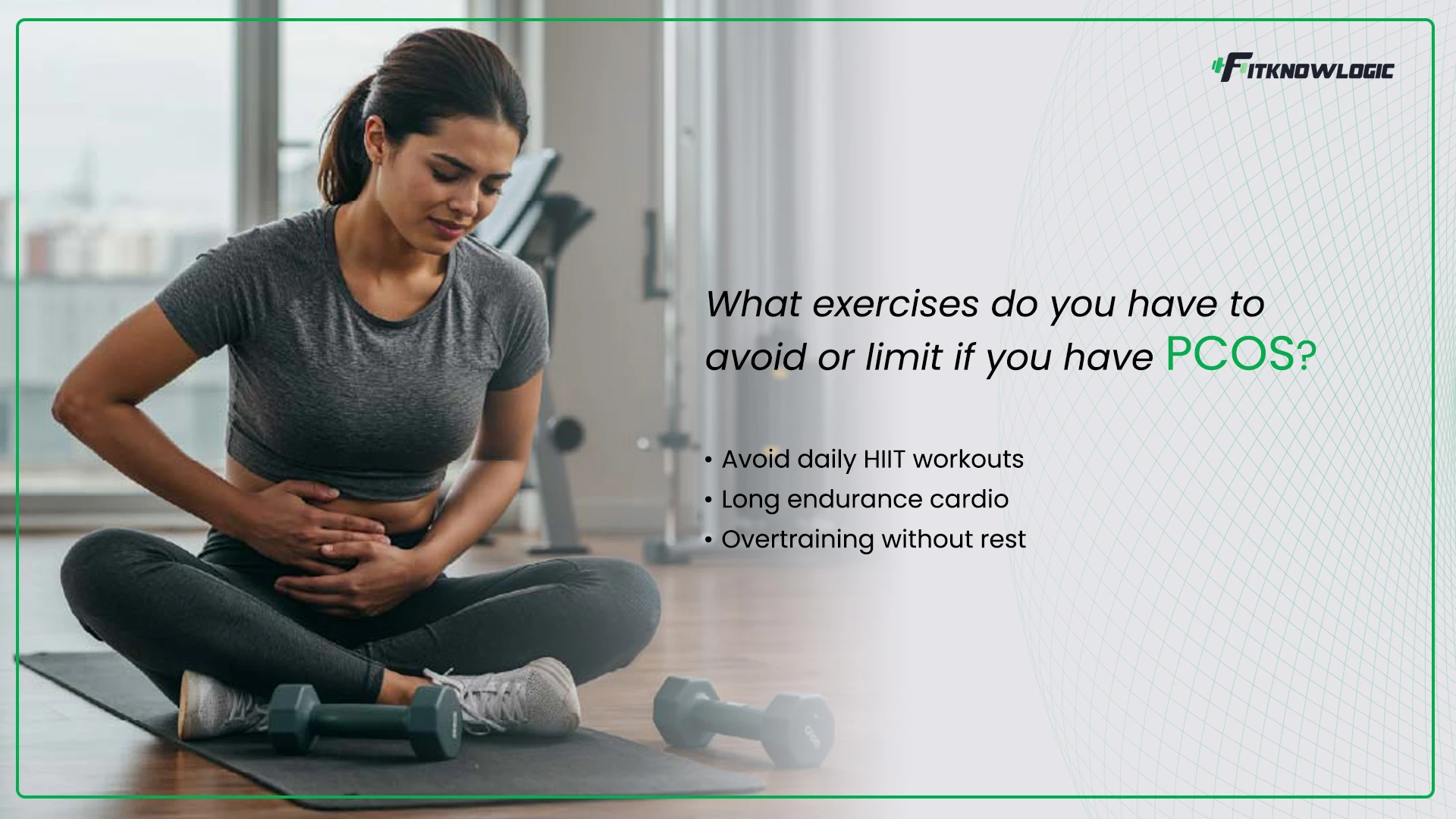
What exercises do you have to avoid or limit if you have PCOS?
You have to avoid or limit these exercises if you have PCOS:
- Avoid daily HIIT workouts
- Long endurance cardio
- Overtraining without rest
If you enjoy HIIT, try to limit it to once or twice a week for short sessions.
How long does it take to see results with PCOS?
We all know everybody is built differently, but many women with PCOS will notice:
- Better energy in 3-4 weeks
- Improved insulin markers in 6-8 weeks
- Change in weight in 2-3 months
- Monthly cycle improvements in 3-6 months
Progress with PCOS is not linear, and patience is a part of the process.
What else does exercise need to work effectively?
Exercise works effectively when paired with:
- Balanced nutrition
- Adequate protein intake
- Quality sleep
- Stress management
- Consistent routines
Frequently asked questions
Ans: Exercise plays a major role in managing PCOS, but if you combine it with nutrition and lifestyle change, it will give you better results.
Ans: Morning or early evenings work best for exercise, but remember consistency matters more than timing.
Ans: PCOS cannot be cured, but symptoms can be managed effectively and long-term through the right exercise routine.
Ans: Yoga helps with stress and hormones, but combining it with strength training gives better metabolic results.
Final thoughts
The best exercise for PCOS is not about pushing harder, they are about moving yourself smarter. A balanced daily routine includes walking, strength training, yoga, and gentle cardio, which can help you regulate your hormones, improve your insulin sensitivity, and restore confidence in your body. PCOS does not mean your body is broken; it means your body needs care, consistency, and compassion.