

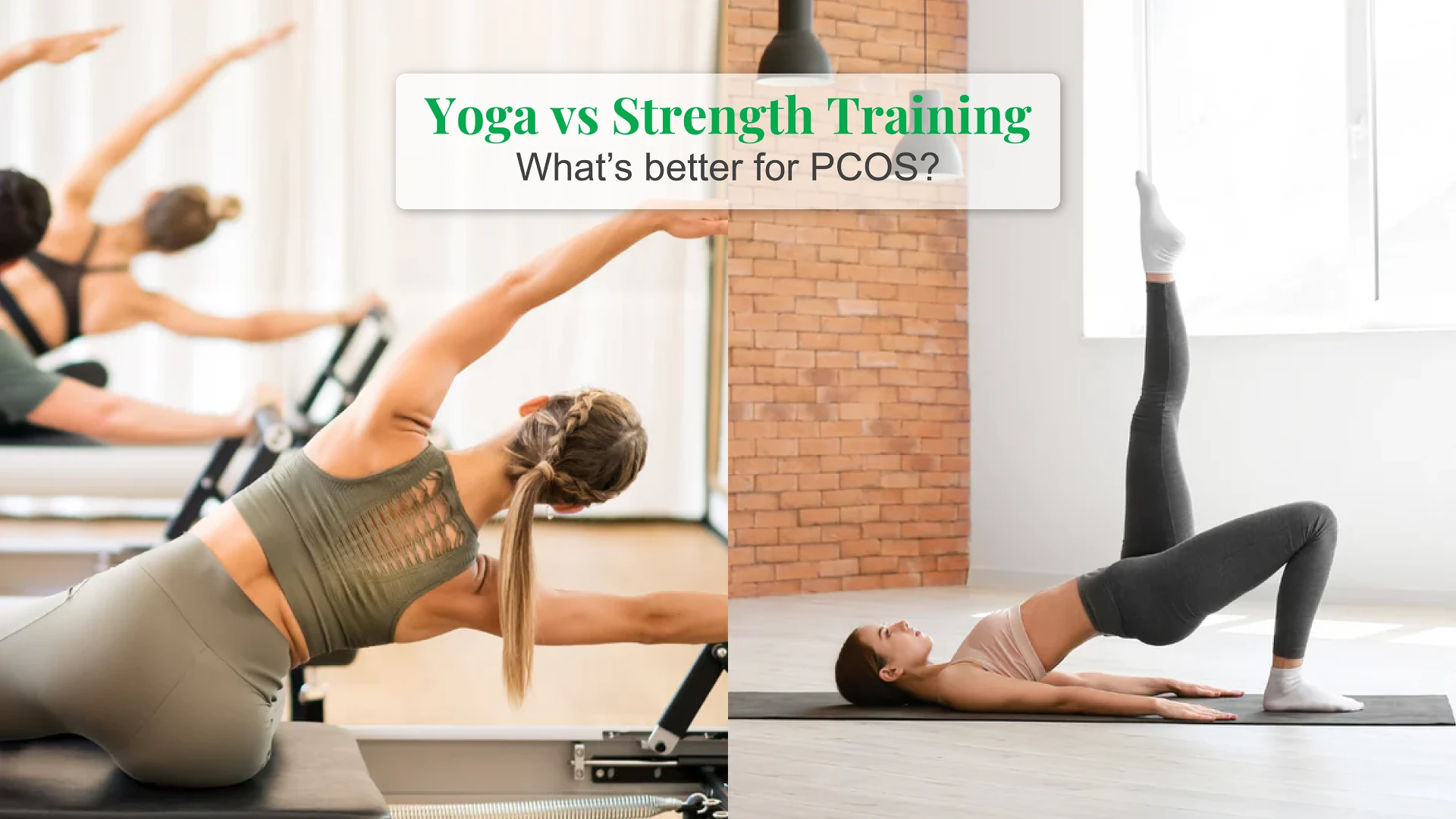
Yoga vs Strength Training: What’s better for PCOS?
Polycystic ovary syndrome (PCOS) affects millions of women around the world. It can impact your hormones, metabolism, mood, weight, fertility, and overall health. Many people with PCOS make lifestyle changes to manage their condition.
You may not know that exercise is one of the best ways to manage your PCOS symptoms, but it can be confusing to understand which type of workout will be most effective.
A common question that arises in everyone’s mind is: Is yoga better than strength training for PCOS?
The answer to this question is that both types of exercise offer real benefits, but they work in different ways. You must understand how each one helps you with balancing your hormones, insulin sensitivity, stress management, and weight control that can help you choose the best option according to your body.
This blog will help you to understand the benefits of yoga for PCOS, the advantages of strength training for PCOS, and how to combine both for the best results.
What is PCOS, and the role of exercise in managing its symptoms?
PCOS is a hormonal condition that can cause irregular periods, high androgen levels, insulin resistance, acne, weight gain, and fertility challenges. Not everyone with PCOS experiences the same symptoms, but many face some common challenges, such as fatigue, stubborn weight gain, and mood swings.
Exercise plays a key role in managing your PCOS, but it can also provide you with the following benefits:
- It improves your insulin sensitivity.
- It supports healthy weight management.
- It reduces your stress hormones.
- It balances your reproductive hormones.
- It boosts your mood and energy.
- It improves your sleep quality.
However, not all workouts affect everyone’s body in the same way. Some people see good changes in calming movements, while others get benefits from strength-based routines. This is why knowing the comparison between yoga and strength training for PCOS is so important.
Let’s first discuss the benefits of yoga for PCOS.
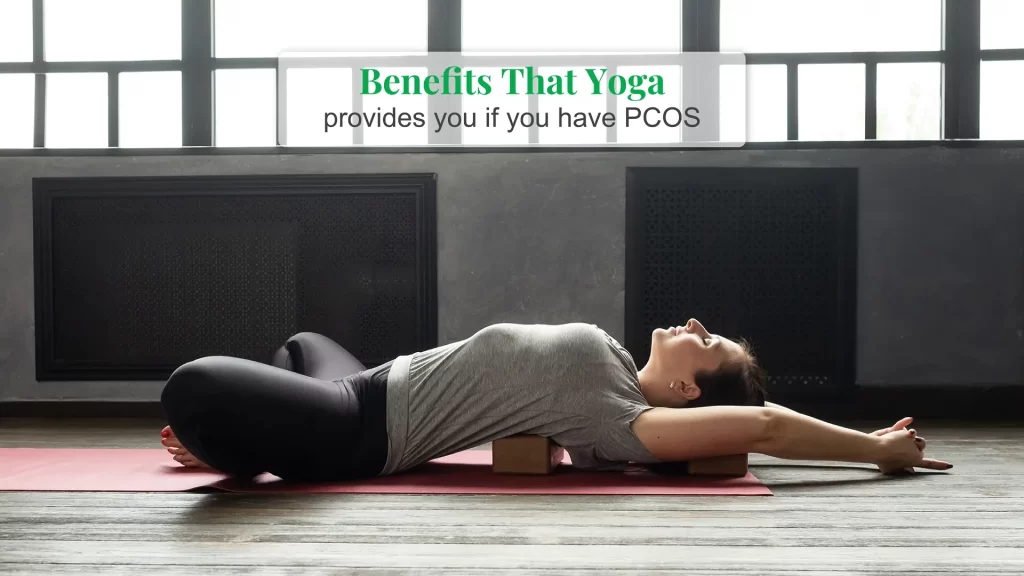
What are the benefits that yoga will provide you if you have PCOS?
Yoga is often recommended to people who have PCOS because it combines gentle movement, breathing, and mindfulness. It supports both your physical and emotional health.
Here are some benefits that yoga provides you if you have PCOS:
Reduces your stress and cortisol
Stress plays a major role in PCOS symptoms, and high cortisol levels can worsen hormonal imbalance, increase your cravings, and disrupt your sleep. Yoga helps in calming down your nervous system and reducing stress hormones. Regular yoga practice encourages deep breathing and relaxation, which will lower your cortisol levels and improve overall hormone balance. For many people with PCOS, stress reduction alone can lead to better cycle regulation and improved mood.
Supports your hormone balance
Certain yoga poses stimulate your blood flow to the pelvic region and support your endocrine function. While yoga is not a cure for PCOS, it may help you to regulate hormones when it is practiced consistently. Yoga poses such as the butterfly pose, cobra pose, child’s pose, bridge pose, and seated forward fold can support circulation and relaxation in areas linked to reproductive health.
Improves insulin sensitivity gently
Insulin resistance is common in PCOS. Yoga can help you improve how your body uses insulin, especially when you practice yoga regularly. While yoga may not burn calories as intensely as intense workouts, it supports your metabolic health in a low-stress way. If you do gentle moments combined with breath work, it will help you stabilize your blood sugar and reduce inflammation.
Improves your emotional health
Living with PCOS can easily affect your self-confidence and mental health, and yoga promotes mindfulness, self-acceptance, and emotional balance. Many people find that yoga helps to reduce their anxiety and improves your body image.
Suitable for all beginners
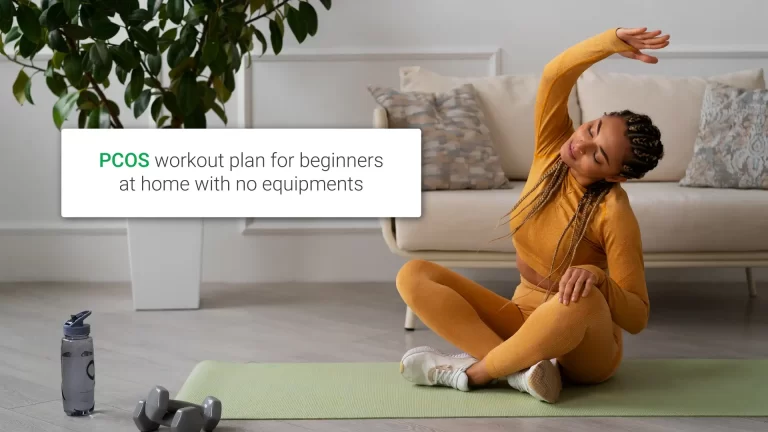
Yoga is accessible for most fitness levels as it can be easily done at home, requires minimal equipment, and can be adapted for different abilities. For those new to exercise or dealing with fatigue, yoga can be a great starting point for them.
Now, let’s talk about the benefits you will get from strength training if you have PCOS.
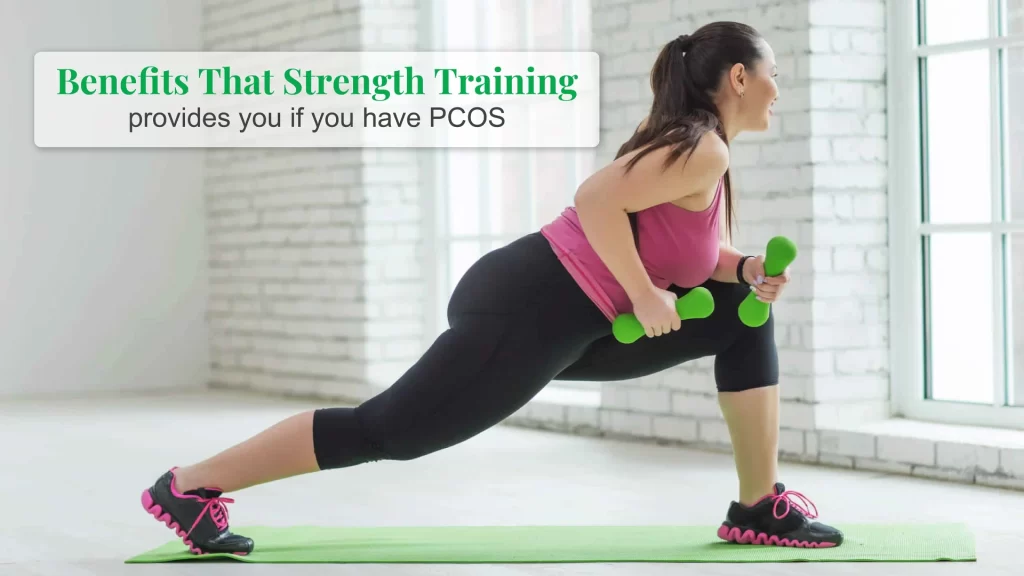
What are the benefits that strength training will provide you if you have PCOS?
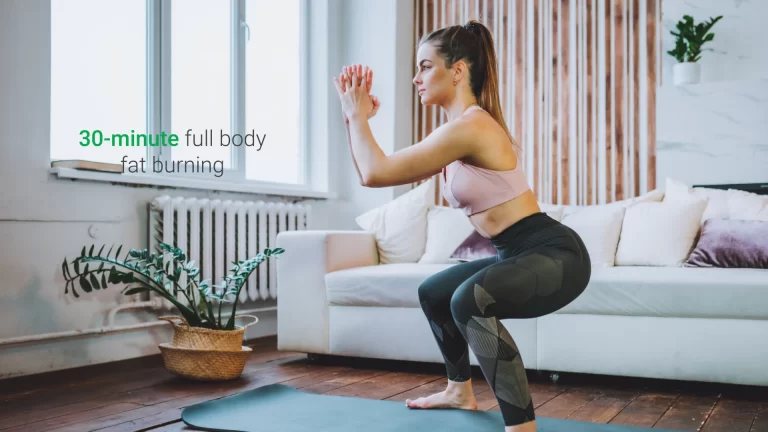
Strength training focuses on building muscle through resistance exercises, which include using weights, resistance bands, or bodyweight movements. In the comparison of yoga and strength training: what’s better for PCOS, strength training often stands out because of its metabolic benefits.
Here are some benefits that strength training provides you if you have PCOS:
Improves your insulin sensitivity effectively
Insulin resistance is very common in PCOS. Strength training helps your muscles use glucose for energy, which improves how your body handles blood sugar over time. As you build muscle, your insulin sensitivity often improves, leading to fewer cravings, steadier energy levels, and more balanced hormones. With regular practice, this can sustainably support better metabolic health.
Supports your healthy weight management
Weight changes can be a frustrating part of PCOS, especially when insulin resistance is involved. Strength training helps increase muscle mass, which raises your resting metabolism so your body burns more calories even when you are not exercising. Instead of focusing on extreme dieting or excessive cardio, lifting weights supports gradual fat loss, muscle maintenance, and long-term weight stability.
Helps balance your hormones over time
PCOS often involves higher androgen levels, which can contribute to acne, hair thinning, and unwanted hair growth. While exercise alone cannot completely correct hormonal imbalances, resistance training can support healthier hormone regulation. Regular strength workouts may help improve insulin control and reduce some androgen-related symptoms gradually.
Builds confidence and body awareness in you
Strength training can feel empowering. As you get stronger and notice physical progress, many people experience improved confidence and a more positive relationship with their body. This mental and emotional boost can make it easier to stay consistent with healthy habits and feel more in control of your PCOS journey.
Supports your bone and joint health
Hormonal imbalances can sometimes affect bone density over time. Strength training places healthy stress on bones and joints, encouraging them to become stronger. This helps support long-term bone health, improves joint stability, and reduces the risk of weakness or injury in the future.
Which is better for PCOS: Yoga or strength training?
The answer is not that simple because both forms of exercise provide you with unique benefits, and instead of choosing one over the other, many experts suggest combining them for PCOS.
If stress and anxiety are your main concerns for your PCOS, yoga may make you feel more supportive and relaxed. If insulin resistance or weight management is your main concern, strength training may give you faster metabolic results.
Yoga supports your stress reduction, relaxation, and gentle hormone balance. Strength training supports your muscle growth, insulin control, and metabolism. Together, they create a balanced routine that supports your long-term PCOS management.
Can you combine yoga and strength training for PCOS?
Yes, you can combine yoga and strength training for your PCOS, and this is often the best choice you can make. A balanced routine by the combination can provide you with both calming and strength-building movement.
For example, you can do strength training two to four times per week, and you practice yoga two or three times per week. Walking or light cardio can be added on the rest of the days. This combination will support your metabolism, stress reduction, and overall health.
How can I plan my workouts during the week with PCOS?
You can easily plan your workouts during the week with PCOS by following the plan below:
- Monday: Strength training (upper body).
- Tuesday: Yoga or stretching.
- Wednesday: Strength training (lower body).
- Thursday: Gentle yoga or rest.
- Friday: Full-body strength training.
- Saturday: Yoga or walking.
- Sunday: Rest and recovery.
You can adjust the above schedule based on your energy levels and lifestyle.
How can you choose the right exercise for your body?
Everyone’s PCOS journey is different, as some people respond quickly to strength training, while others feel better with yoga. The key to managing your PCOS symptoms is consistency and listening to your body.
You have to ask yourself the question below first:
- Do I feel very stressed or anxious?
- Do I struggle with insulin resistance or weight gain?
- Do I enjoy slow or fast workouts?
- What kind of movement feels easy to me?
If you are new to any exercise, start slowly because even 20 to 30 minutes of movement a few times per week can also make a big difference.

What are the best tips you can follow while exercising with PCOS?
If you are exercising with PCOS, you must follow the best tips below for managing your PCOS symptoms:
Avoid overtraining:
Too much intense exercise can raise your cortisol levels and worsen your symptoms. Balance is important for you, and don’t avoid your rest days.
Eat enough protein:
Protein supports muscle growth and hormone balance, especially if you include it with strength training.
Stay consistent
Results take time, and you have to aim for regular movement rather than perfection.
Track how you feel:
You must notice changes in your energy, mood, sleep, and cycles as these signs are just as important as physical changes in your body.
Consult a professional if possible:
A doctor, nutritionist, or trainer familiar with PCOS can help create a personalized plan for you.
What are the common myths about exercise and PCOS?
There are many myths about exercise and PCOS; let’s debunk the myths together.
Myth 1: Cardio is the only way to lose weight.
Debunk: While cardio has many benefits, strength training is often more effective for long-term weight management with PCOS.
Myth 2: Yoga is too gentle to help.
Debunk: Yoga may look gentle, but it has powerful effects on stress hormones and emotional health. It can be a valuable part of PCOS management.
Myth 3: You must choose one type of workout.
Debunk: You do not have to choose between yoga and strength training. A balanced routine can include both of them.
What are the long-term benefits of exercise for PCOS?
When practiced regularly, both yoga and strength training provide you with long-term benefits such as:
- More stable energy levels
- Better sleep
- Improved mood
- Healthier metabolism
- Reduced inflammation
- Better cycle regulation
These changes often happen gradually, so patience is important.
Final thoughts
Yoga and strength training can both be beneficial for PCOS. Yoga helps in stress reduction and hormone balance, while strength training enhances your insulin sensitivity, builds muscle, and helps with weight management. Rather than viewing them as opposites, consider them complementary for you. Combining both can create a balanced routine for your body and mind.
You should start with what feels realistic and enjoyable to you for maintaining consistency. Understanding how different exercises impact your PCOS will help you create a routine that aligns with your goals and lifestyle.
Frequently asked questions for yoga vs strength training for PCOS
Q1: Is yoga or strength training better for PCOS?
Ans: Yes, both yoga and strength training are better for PCOS in their different ways. Yoga reduces your stress and supports hormone balance, while strength training improves your insulin and helps you manage your weight. Combining both will usually give you the best results.
Q2: How often should I exercise if I have PCOS?
Ans: If you have PCOS, you should do exercise for 3-5 days per week. You can mix strength workouts, yoga, walking, or light cardio. Even an exercise session of 20-30 minutes can make a difference if you do it consistently.
Q3: Can I do yoga and strength training together if I have PCOS?
Ans: Yes, you can do both yoga and strength training together if you have PCOS. Many experts suggest doing strength training a few days a week and yoga on other days. This combination helps your body stay strong, balanced, and less stressed.
Q4: Will exercise help me to regulate my PCOS symptoms?
Ans: Yes, regular exercise can improve your insulin sensitivity, support your weight balance, boost your mood, reduce your stress, and regulate your PCOS symptoms.
Q5: I am a beginner. Should I start with yoga or strength training?
Ans: If you are a beginner, you should start with the exercise that feels easier for you. If you feel stressed or tired, you should begin with gentle yoga, and if your main goal is improving your metabolism or strength, you should try light strength training, or you can add both as your energy level improves.