

Walking vs HIIT vs strength training for PCOS
If you are dealing with Polycystic Ovary Syndrome (PCOS), then choosing the right exercise for you can feel frustrating and confusing. Many people get to hear different advice for workouts for hormones, weight loss, and insulin resistance. Some people get advised to walk more if they have PCOS, others hear that high-intensity workouts are best, and many people are advised to lift weights.
So here’s the question that comes to the mind of people who have PCOS: What should I do that will actually work?
This blog on walking vs HIIT vs strength training for PCOS will explain each exercise in simple words for you. You will learn how each type of exercise will affect your hormones, weight, energy, and long-term health. By the end of the blog, you will understand how you can build a routine for yourself that fits your body and life.
Before going into depth on what type of PCOS is best for you, you must first know the basics.
What is PCOS, and why does exercise matter in PCOS?
PCOS (Polycystic Ovary Syndrome) is a hormone condition that affects your periods, weight, fertility, mood, and energy. Many people with PCOS also deal with insulin resistance, which means their body has trouble using insulin properly, which can lead to higher blood sugar and weight gain.
Meanwhile, exercise matters in PCOS because it helps you in many ways, such as:
- Improves your insulin sensitivity.
- Supports and provides you with a healthy weight.
- Balances your hormones.
- Boosts your mood.
- Improves your sleep.
- Reduces your stress.
Some health groups like the World Health Organization (WHO) and the American College of Obstetricians and Gynecologists recommend regular physical activity for your hormone and metabolic health. For people who have PCOS, the right mix of workouts helps a lot.
Regular movement is one of the best ways to manage your PCOS symptoms, but not all exercise affects your body the same way. This is why comparing walking, HIIT, and strength training for PCOS is important.
Why do people compare walking, HIIT, and strength training for PCOS?
Many online workout plans suggest you perform intense routines for your PCOS, and others say gentle moments are better for you. All these different suggestions from people make it hard for you to know what works for you.
You must remember that each type of exercise has its own benefits.
Here are some ways each type of exercise helps you:
- Walking is gentle for you, and it is easy to do consistently.
- HIIT helps you by burning calories quickly.
- Strength training helps you by building your muscles and supporting your metabolism.
The best approach for managing your PCOS often depends on your goals, stress levels, and current fitness. Instead of choosing only one exercise, you can try a balanced mix for your PCOS.
When we are comparing walking, HIIT, and strength training for PCOS, each type of exercise offers you unique benefits, and let’s discuss them one by one.
Is walking good for PCOS, and how can it help you with PCOS?
Walking is always considered underrated by many people, but it is one of the most effective and durable exercises for PCOS, as it does not put too much stress on your body.
Many people with PCOS have higher stress hormones like cortisol, and too much intense exercise can sometimes increase cortisol, which can worsen PCOS symptoms for some people.
Here’s how walking will help you with PCOS:
- It will lower your stress.
- It will improve your insulin sensitivity.
- It will support you in your fat loss journey.
- It will boost your mood.
- It is easy for you to perform daily.
How often should you walk if you have PCOS?
If you have PCOS, you should aim for 30 to 45 minutes of walking for most days of the week, and even walking for 20 minutes a day can help you. You have to remember that consistency matters more than speed.
What is the best way you can walk if you have PCOS?
If you want the best results from walking for your PCOS, you have to follow the best ways of walking below:
- Walk briskly but in a comfortable way.
- Aim to walk for 30 to 60 minutes on most of the days.
- Try to walk after meals if possible.
- Try to walk outdoors for your mental health.
- Try to stay consistent rather than being extreme.
Walking is especially helpful for you if you are new to exercise, often feel exhausted, or struggle with intense workouts.
What are the pros and cons of walking?
Pros of walking for you:
- It lowers stress on your body.
- It is easy if you want to stick to something for the long term.
- It doesn’t need any equipment.
- It supports your weight loss gently.
- It improves your mood and sleep.
Walking is especially helpful for you if you are new to exercise, often feel exhausted, or struggle with intense workouts.
Cons of walking for you:
- It burns fewer calories than other intense workouts.
- It takes more time to show results.
- It can not build much muscle alone.
When you compare walking, HIIT, and strength training for PCOS, walking is often the safest starting exercise for you.
Is HIIT right for you, and when can it become too much?
HIIT is not ideal for everyone, and if you already feel tired, anxious, or burned out, too much intense training can raise your cortisol levels, which may lead to fatigue, cravings, or slower progress.
Here’s how HIIT be helpful for you if:
- You are already doing exercise regularly.
- You enjoy fast workouts.
- Your stress levels are managed.
- You recover well after workouts.
Short sessions of HIIT for around 15 to 25 minutes are often enough for you.
Here’s how HIIT can be problematic for you if you overdo HIIT:
- You may feel constant fatigue.
- You may have poor sleep.
- You may feel an increase in cravings.
- You may notice no weight loss progress in you.
- You may feel stressed after workouts.
What are the pros and cons of HIIT?
Pros of HIIT for you:
- It is time-efficient.
- It burns calories quickly for you.
- It improves your insulin sensitivity.
- It boosts your heart health.
Cons of HIIT for you:
- It can increase your stress hormones.
- It can be hard for you to recover if you overdo HIIT.
- It is not ideal for you to do it daily.
- It may worsen your fatigue.
When you compare walking, HIIT, and strength training for PCOS, HIIT works best for you if you do it in moderation, not every day.
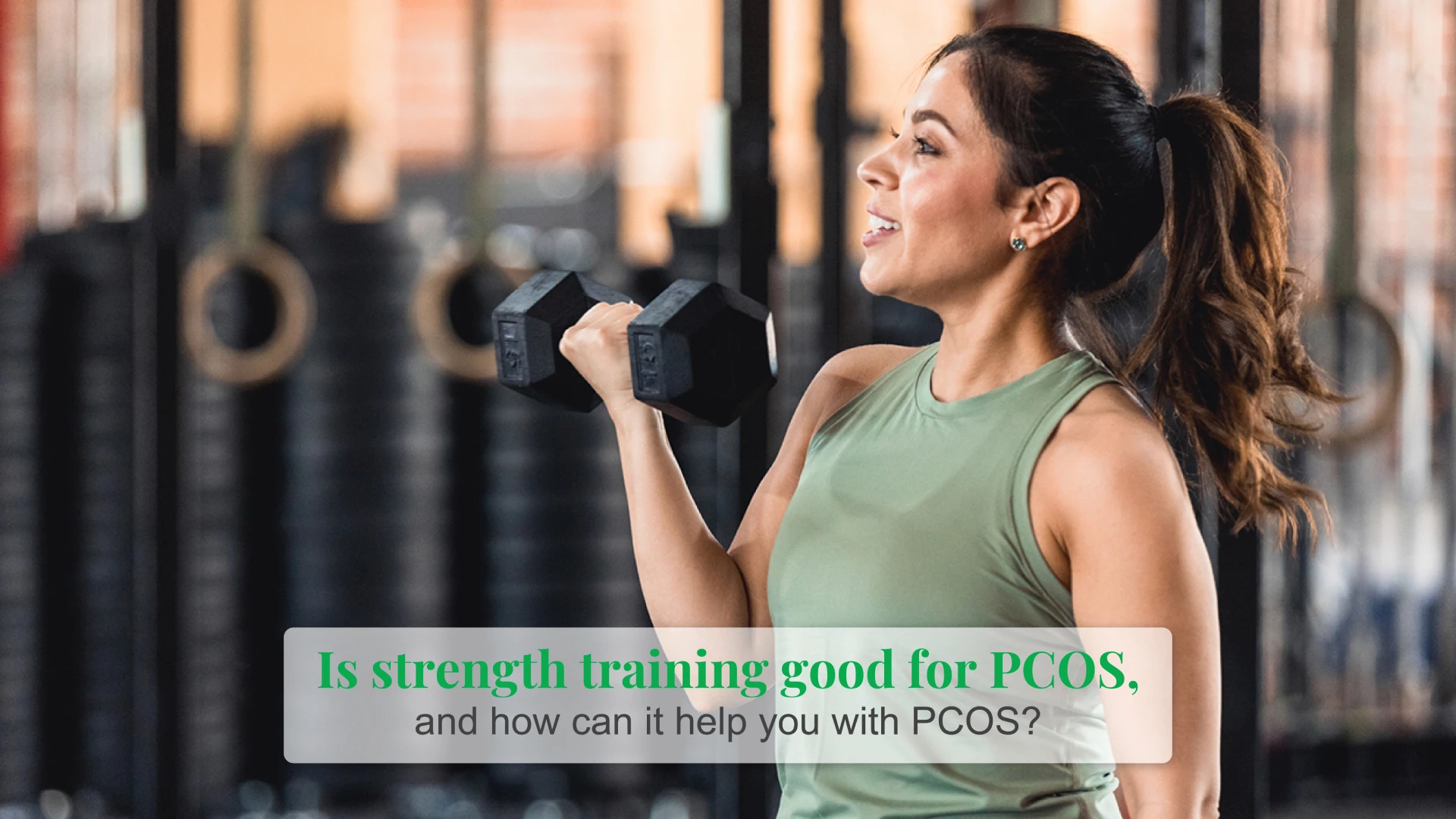
Is strength training good for PCOS, and how can it help you with PCOS?
Strength training means lifting weights or using resistance bands to build muscles, and this type of exercise is often the most powerful for long-term PCOS management.
Here’s how strength training will help you with PCOS:
- It helps in improving your insulin resistance.
- It increases your metabolism.
- It supports your fat loss journey.
- It helps in balancing your hormones.
- It builds your confidence.
- It improves your bone health.
- It also helps prevent muscle loss during weight loss.
How often should you do strength training if you have PCOS?
You have to aim for 2 to 4 sessions per week, and rest days are so important for your muscles to recover. Your session of strength training can last for 30 to 45 minutes.
You have to focus on these major muscle groups while performing strength training:
- Legs
- Arms
- Back
- Core
You have to remember that consistency matters more than intensity.
What is the best way to strength train for PCOS?
You do not need to lift very heavy weights to start your strength training because you just have to focus on consistency and proper form.
Here is a beginner’s plan and exercises that you can perform for strength training:
Beginner’s plan for you:
- You have to perform 2 to 4 sessions per week
- You have to focus on full-body workouts
- You have to do exercise for 30 to 45 minutes each day.
- You have to focus on major muscle groups
Exercises that you have to do:
- Squats
- Lunges
- Push-ups
- Rows
- Deadlifts
- Resistance band exercises
What are the pros and cons of strength training?
Pros of strength training for you:
- It helps in improving your insulin sensitivity.
- It builds lean muscle.
- It supports you in fat loss.
- It boosts your metabolism.
- It helps you with long-term weight control.
Cons of strength training for you:
- It requires learning proper form.
- It may need equipment.
- It takes time to show results.
- It can feel intimidating at first.
When you compare walking, HIIT, and strength training for PCOS, strength training is considered helpful for hormone balance and metabolism.
Which one exercise is better for your PCOS: Walking, HIIT, or strength training?
There is no single answer for everyone, and the best exercise for PCOS depends on your body, energy, and goals.
When is walking the best choice for you?
Walking is best for you when:
- You are new to exercise.
- You feel stressed or tired easily.
- You want a gentle routine.
- You want to stay active daily.
Walking is also a great exercise to combine with other workouts.
When is HIIT the best choice for you?
HIIT is the best choice for you when:
- You enjoy intense workouts.
- You have good energy levels.
- You recover well after workouts.
- You do HIIT in moderation.
You should not overdo HIIT. You should balance it with rest and gentle movement.
When is strength training the best choice for you?
Strength training is considered the most recommended choice for PCOS, as it supports your long-term hormone balance and metabolism.
Strength training is the best choice for you when:
- You want to build muscle.
- You want better insulin control.
- You want a durable fat loss journey.
- You want stronger bones.
Many experts suggest combining strength training with walking.
Can you combine walking, HIIT, and strength training for PCOS?
Yes, combining all three exercises can give the best results for you because a balanced routine supports you both physically and mentally.
Here is a simple weekly routine for you, which combines all three exercises:
- For Monday: Do strength training.
- For Tuesday: Go walking.
- For Wednesday: Do rest or a light walk.
- For Thursday: Do strength training.
- For Friday: Go walking.
- For Saturday: Do a short HIIT session.
- For Sunday: Do rest or a gentle walk.
This mix supports your muscle growth, fat loss, and stress control.
How does your stress affect your exercise results?
Stress plays a big role in PCOS, as if you perform too much intense exercise, which can raise your cortisol levels.
High cortisol can lead to the following changes in your body:
- You may notice belly fat.
- You may feel more cravings.
- You may feel more fatigued.
- You may notice a hormonal imbalance.
That is why many people see better results when they reduce doing extreme workouts and focus on consistency. If your body feels tired or inflamed, then walking and strength training may work better for you than HIIT.
Does exercise help you with weight loss if you have PCOS?
Weight loss with PCOS can feel slow, but exercising can help you. If you have PCOS, your goal should not only be weight loss but also hormonal balance.
Exercise can help you by:
- Improving your insulin sensitivity.
- Reducing your belly fat.
- Supporting your metabolism.
- Reducing your cravings.
You can combine exercise with a balanced diet and good sleep for better results.
Can doing too much exercise worsen your PCOS?
Yes, doing too much intense exercise can put stress on your body, and overtraining raises your cortisol levels, which can disturb your hormones.
Here are the signs that you may notice if you are overdoing exercise:
- You may feel constant fatigue.
- You may have poor sleep.
- You may notice increased hunger.
- You may have mood swings.
- You may miss your period.
What exercises should beginners with PCOS start with?
If you are a beginner and new to exercise, you should start with something simple. You can start with walking, then slowly add strength training to your workout plan.
Here’s the beginner’s workout plan for you:
- Walk daily for 20 minutes.
- Add strength training to your plan and do it twice a week only.
- Stretch regularly.
- Rest when you feel like it and need to.
What are the tips you can follow to stay consistent with your workout plan?
When you are exercising with PCOS, remember that consistency matters more that intensity of your workout.
You can try the tips below to stay consistent with your workout plan:
- You should choose workouts that you enjoy.
- You should start with small exercises.
- You should track your progress.
- You should rest when you feel like or need to.
- You should focus on long-term habits.
- You should avoid extreme routines.
A simple routine done regularly works better than an intense routine done rarely by you.
How long does it take to see results?
Your results depend on your energy levels and efforts. Many people notice changes in 4 to 8 weeks. Your energy improves first and then your mood, energy, and body composition. You have to be patient because PCOS management is long-term, and consistency matters more than speed if you have PCOS.
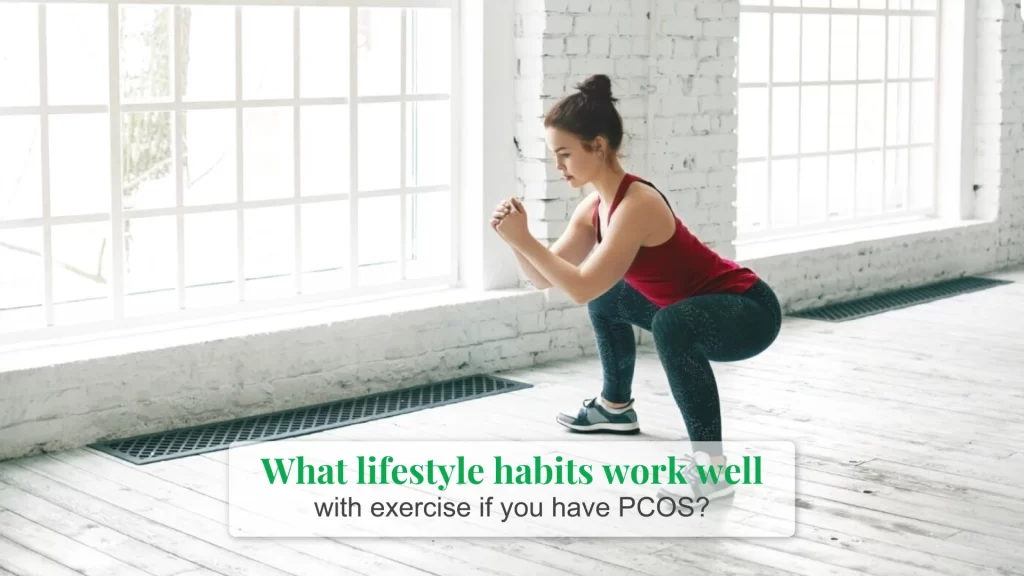
What lifestyle habits work well with exercise if you have PCOS?
Here are some lifestyle habits that work well with exercise if you have PCOS:
- You have to eat balanced meals filled with protein and fiber.
- You have to sleep for at least 7-9 hours daily.
- You have to manage your stress.
- You have to drink enough water.
- You have to avoid extreme dieting.
A steady and calm lifestyle habit will always be better for your hormones than some random quick fixes.
What are the common mistakes that you have to avoid while following a PCOS-friendly workout plan?
Here are some common mistakes you have to avoid while you are following a PCOS- friendly workout plan:
- You need to stop doing HIIT every day.
- You need to stop ignoring strength training.
- You need to stop exercising too hard.
- You need to stop expecting fast results in less time.
- You need to stop comparing your body to others.
PCOS bodies respond best to patience and balance rather than fast pace or chaos.
How can you listen to your body?
Every person’s body reacts differently to PCOS. Some feel great doing HIIT, while others feel better with walking and weights.
You have to ask yourself the following questions to listen to your body:
- Do I feel energized after workouts?
- Am I sleeping well?
- Is my mood stable?
- Am I recovering properly?
Your body will tell you what works for you.
Final thoughts
When you are managing your PCOS, you must understand that no exercise is one-size-fits-all. Walking reduces your stress and promotes consistency, HIIT boosts your fitness and improves insulin sensitivity, and strength training builds your muscles and improves metabolism.
An effective PCOS-friendly plan should include all three of them. As a beginner, you should start with walking and basic strength training, and you can add HIIT as you gain confidence. You have to focus on durable habits for your hormonal balance and energy, and choose enjoyable activities to maintain a proper consistency.
FAQs: Walking, HIIT, and strength training for PCOS
Q1: What is the best exercise for weight loss if you have PCOS?
Ans: If you have PCOS, a mix of strength training and walking works best for many people. Strength training improves your metabolism, while walking supports your daily calorie burn and helps control your stress.
Q2: Is HIIT safe for PCOS?
Ans: Yes, HIIT is safe for PCOS, but if done in moderation. You can do HIIT 1 to 3 times per week, which is usually enough. If you do intense exercise, it can increase your stress hormones.
Q3: Can walking alone improve my PCOS symptoms?
Ans: Yes, walking alone can improve your PCOS symptoms as it helps in improving insulin sensitivity, mood, and energy. It is a great starting point, and it is especially for beginners.
Q4: How many days a week should I exercise if I have PCOS?
Ans: If you have PCOS, you should aim for doing exercise most of the days of the weeks which includes walking daily and strength training 2 to 4 times per week.
Q5: How long should a PCOS workout be?
Ans: If you have PCOS, then your workouts can be of 35 to 45 minutes, and even shorter sessions are helpful if done consistently.