

Why Exercise Is a Game-Changer for PCOS?
When you are living with PCOS, it feels like your body is constantly fighting you and like navigating a maze without a clear map. One day, you wake up with lots of energy, ready to lead. The very next day, you are bloated, tired, maybe breaking out, and you wonder why your body feels like it’s working fully against you. Some women describe it as “walking through mud”, and some feel like “living in a body that doesn’t listen”.
If all this sounds familiar…. You aren’t alone.
Understanding PCOS: Hormones, Metabolism, and Symptoms
Polycystic Ovarian Syndrome (PCOS) is one of the most common hormonal disorders affecting women of reproductive age worldwide. Studies estimate that roughly 1 in 10 women are affected, yet many struggle to find reliable, actionable advice on managing their symptoms effectively. While medications and dietary adjustments play a critical role, exercise remains one of the most powerful tools for balancing hormones, improving insulin sensitivity, and enhancing overall health.
PCOS affects hormones, metabolism, mood, and even the way your body handles stress. But there’s one thing almost every doctor, nutritionist, and health coach agrees on: movement is medicine for PCOS.
Not punishment. Not hours of cardio to “burn it off.”
Real, supportive movement that matches what your body actually needs. This isn’t about doing more, harder, or faster. It’s about doing smarter.
At Fitknowlogic, we have worked extensively with women living with PCOS, designing personalized, evidence-based programs that support hormonal balance and long-term wellness. Through our experience, one truth has become clear: the best exercise for PCOS is not about intensity or calories burned, it’s about targeting your body’s unique hormonal needs.
In this guide, we will explore evidence-backed exercises specially suited for PCOS, how they affect your body, and practical ways to integrate them into your daily routine without stress. By approaching exercise as a supportive partner rather than a chore, you can take meaningful steps toward managing PCOS and reclaiming your health.
Hormonal Imbalances and Their Impact:
Women with PCOS often experience:
- Irregular menstrual cycles or absent periods (amenorrhea).
- Excess hair growth (hirsutism) on the face, chest, or back.
- Acne and oily skin due to elevated androgen levels.
- Thinning hair on the scalp.
- Weight gain, particularly around the abdomen.
These symptoms are mainly driven by insulin resistance, where the body’s cells fail to respond properly to insulin. As a result, the pancreas produces more insulin, which stimulates the ovaries to create more androgens. This cycle perpetuates hormonal imbalance and can lead to weight gain, fatigue, and difficulty regulating blood sugar.
The Metabolic Consequences:
Insulin resistance doesn’t just affect weight; it has broad effects:
- Increased risk of type 2 diabetes
- Higher likelihood of cardiovascular disease
- Chronic inflammation, which worsens hormonal imbalance
Even a modest weight reduction of 5–10% of body weight can dramatically improve insulin sensitivity and restore regular ovulation in many women.
Understanding these mechanisms highlights why exercise is connected to PCOS and why it is so critical. Standard fitness advice often fails because it does not address insulin resistance, inflammation, or hormonal fluctuations.
Why PCOS and Exercise Are Connected?
PCOS isn’t just irregular periods or hair where you don’t want it. It’s often about insulin resistance. That means your cells don’t use insulin properly, so your body keeps making more of it. Extra insulin nudges your ovaries to make more androgens (male hormones like testosterone). That’s where symptoms like acne, cycle problems, and belly fat come from.
Insulin resistance also raises the risk of type 2 diabetes and heart issues later on. That part can feel scary, but here’s the empowering side: exercise changes how your body handles insulin. When you use your muscles, they soak up glucose (sugar) more effectively. Over time, that lowers insulin levels, which can ease a whole cascade of symptoms.
Some women go from struggling with energy dips and irregular cycles to feeling steadier just by making exercise a regular habit. And no, they didn’t all lose huge amounts of weight first. They lose weight and become stronger over time.
What Exercise Really Does for PCOS?
Yes, exercise can help with weight management, but the benefits for PCOS are bigger than expected. Here’s what research supports:
- Better blood sugar control: Muscles act like sponges for glucose. The more active you are, the more sensitive your cells become.
- Lower androgen levels: Regular training has been linked to reduced testosterone, which helps with acne and hair changes.
- Less stress in the body: Cortisol, the stress hormone, goes down with the right kinds of exercise. High cortisol = worse symptoms.
- Heart and circulation support: PCOS already raises cardiovascular risk, so protecting your heart early matters.
- Mental clarity and emotional balance: Exercise releases chemicals like endorphins and serotonin. Many women with PCOS also deal with anxiety or low moods, and movement can help soften that edge.
The right workout for PCOS isn’t about calorie burn. It’s about creating the hormonal environment your body needs.
The Best Types of Exercise for PCOS
Here are the main types of exercise that tend to work well for PCOS, along with how to fit them into real life.
1. Strength Training
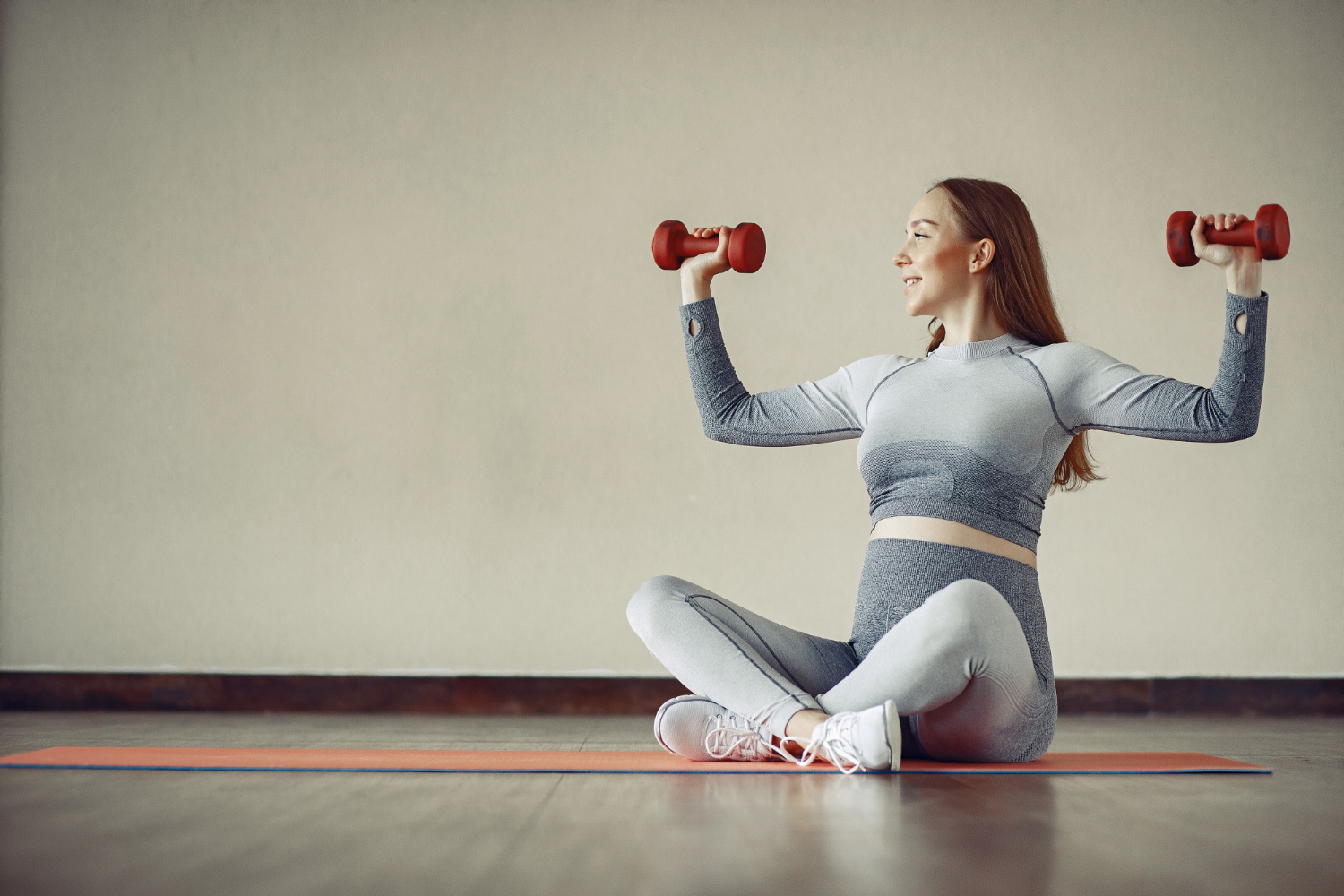
When you build muscle, your body starts using glucose better. Muscle tissue acts almost like a glucose warehouse, lowering insulin in the blood. Over time, this can regulate cycles and support metabolism.
Movements to focus on:
- Squats (start with body weight, add weights later)
- Lunges or step-ups
- Push-ups (even against a wall if you’re new)
- Deadlifts or Romanian deadlifts
- Rows and presses with dumbbells or bands.
-
How to begin:
Two or three full-body sessions a week is plenty. You don’t need fancy equipment; body weight and a set of dumbbells can take you far. Think about learning the form first, then slowly adding challenge.
2. Low-Impact Cardio
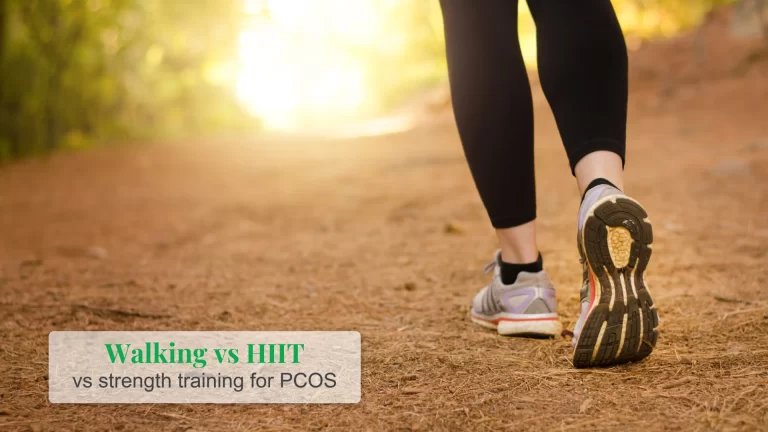
Walking, swimming, cycling: these aren’t flashy, but they work. Low-impact cardio helps regulate blood sugar, supports heart health, and doesn’t spike cortisol the way long, intense cardio sometimes can.
Examples:
- A 30–40 minute brisk walk most days.
- Swimming laps or even water aerobics twice a week.
- Gentle cycling outdoors or on a stationary bike.
The key:
You should be able to hold a conversation while doing it. If you’re gasping for air, you’re pushing into stress mode, which isn’t ideal for PCOS.
3. High-Intensity Interval Training (HIIT)
HIIT can be amazing for insulin resistance, but it’s not something you need every day. Treat it like strong coffee; you don’t need three cups at once. Short bursts of effort (say, 20–30 seconds) followed by rest can help burn visceral fat and improve fitness. But if you’re already stressed, underslept, or running on fumes, HIIT can backfire.
Simple beginner HIIT routine:
- 5-minute warm-up walk
- 20 seconds squats, 40 seconds walking in place
- 20 seconds push-ups, 40 seconds rest
- Repeat for 10–15 minutes
- Cool down with stretches
Limit HIIT to 2–3 sessions a week, no longer than 20 minutes each.
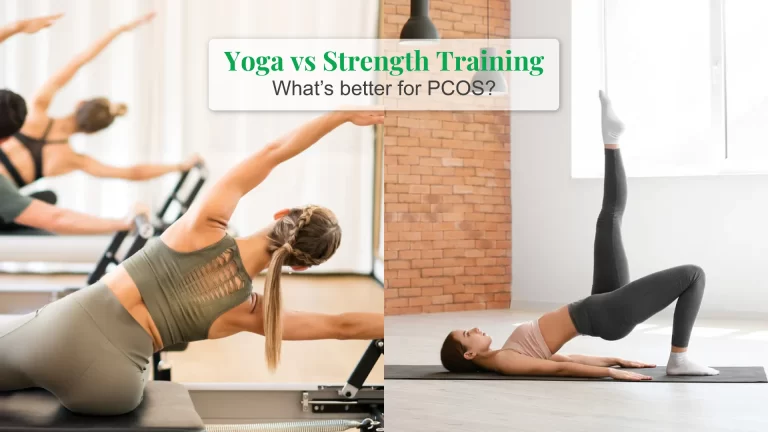
4. Yoga and Stress-Reducing Practices
Here’s something many women overlook: stress makes PCOS worse. Cortisol raises blood sugar, messes with ovulation, and keeps your body in a state of imbalance. That’s why yoga, meditation, or even deep breathing can be game changers.
Best yoga styles for PCOS:
- Hatha yoga → slow and grounding
- Yin yoga → long holds that calm the body
- Gentle vinyasa → breath-focused and flowing
Even 20 minutes of yoga a few times a week can help regulate cycles and calm the nervous system.
How to Build a Weekly Plan?
Here’s one way to structure a PCOS-friendly week:
- Monday: Strength training
- Tuesday: Walking or cycling
- Wednesday: Strength training
- Thursday: Yoga or swimming
- Friday: Strength training
- Saturday: Optional HIIT or a fun activity (hike, class)
- Sunday: Rest or gentle stretching
This isn’t set in stone; listen to your body. Some weeks you’ll have more energy, others less. What matters is consistency over time.
Supporting Habits That Matter as Much as Exercise:
Exercise can only do so much if the rest of your lifestyle is pulling you in the opposite direction. Three things I always highlight are food, sleep, and stress.
Nutrition tips:
- Eat balanced meals with protein, healthy fats, and fiber.
- Choose low-glycemic carbs like beans, quinoa, or sweet potatoes.
- Don’t skip meals; it can make blood sugar swings worse.
Sleep:
- Aim for 7–9 hours.
- Poor sleep raises cortisol and makes insulin resistance worse.
Stress management:
- Journaling, meditation, or just taking quiet time outside can all help.
- The calmer your nervous system, the easier it is for your hormones to settle.
Real-Life Challenges and What to Do?
- Too exhausted to work out? Break movement into 10–15 minute chunks.
- Cycles all over the place? Track them and match workout intensity to your energy.
- Bored or unmotivated? Try new activities; variety keeps things fresh.
- Hit a plateau? Change up reps, sets, or swap exercises to challenge your body differently.
FAQs:
- Can exercise cure PCOS?
No, but it can reduce symptoms and improve your quality of life. - How fast will I notice changes?
Energy often improves within weeks. Visible changes like body composition or cycles can take a few months. - Do I need to do intense workouts?
Not at all. Strength training, walking, and yoga are extremely effective on their own. - Morning or evening: what’s best?
Whatever fits your life. The best time is the one you can stick with.
Final Thoughts:
Living with PCOS is tough, but exercise is one of the most empowering tools you can use. It’s not about punishment or chasing a certain body type. It’s about supporting your hormones, calming your stress, and building a routine that actually feels sustainable.
The most effective approach blends strength training, low-impact cardio, stress relief practices like yoga, and occasional HIIT if your body can handle it. Pair that with good nutrition, consistent sleep, and daily stress management, and you’ll see real change, not just in symptoms, but in how you feel every single day.
Start small. Be consistent. Exercise isn’t the cure for PCOS, but it’s one of the strongest allies you can have in managing it.