

PCOS-friendly foods vs foods to avoid
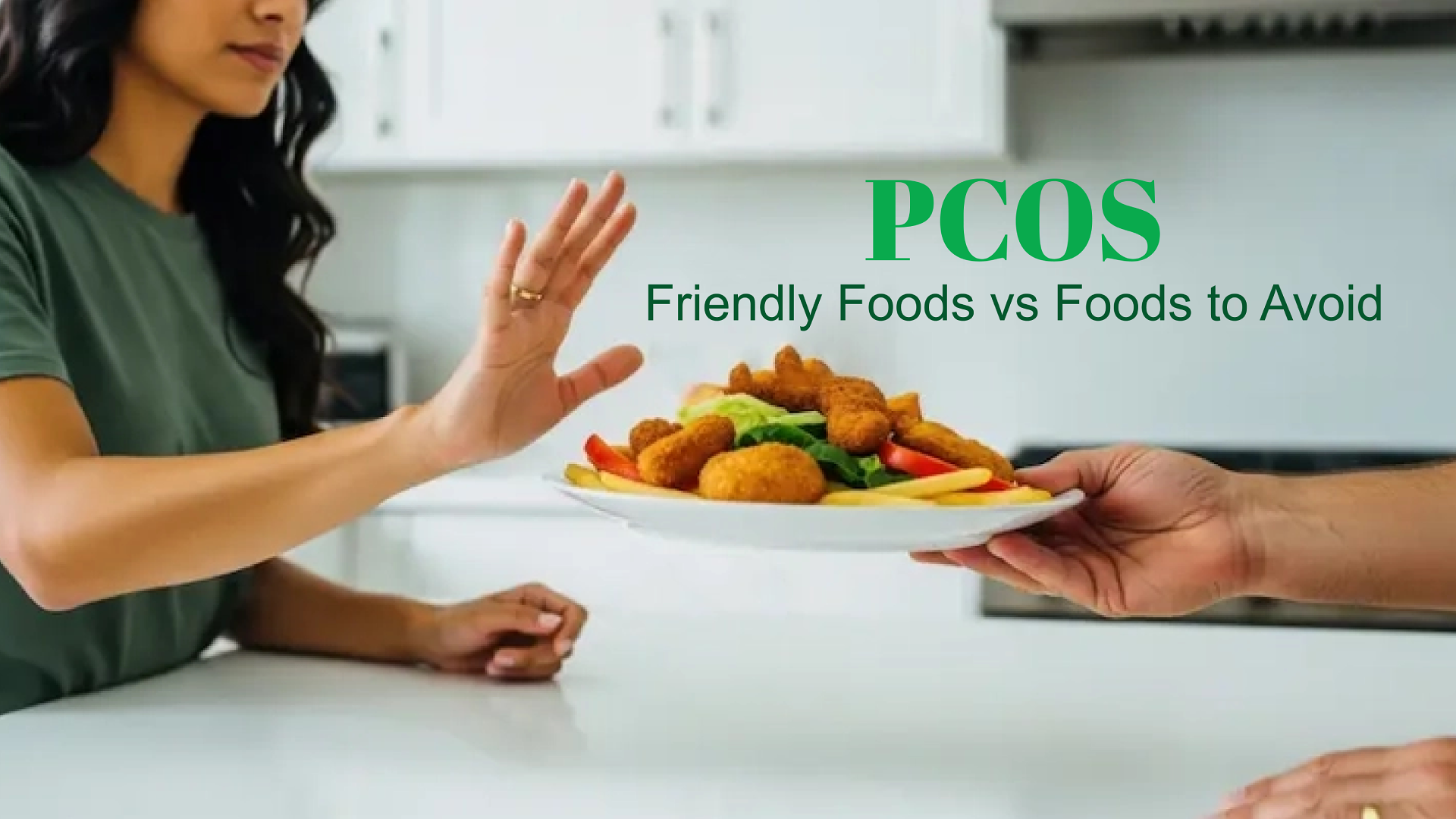
Living with PCOS can be very tiring, as one moment you may feel okay, and the next day your body feels out of control. You may also experience weight gain, irregular menstrual periods, acne, hair loss, mood swings, and fatigue, as PCOS can show its symptoms in different ways. When you are searching for its solutions, you will notice that recommendation of food are always mentioned for PCOS, but the selection of food for your diet can feel confusing, strict, or unrealistic to you.
Here’s the important part for you to know, which you might be unaware of. Eating the right foods for PCOS and avoiding trigger foods can help your body feel more balanced and calm. While PCOS-friendly foods can’t cure PCOS, but it can lower symptoms, support hormone balance, boost energy levels, and help you feel more in control of your health.
This blog explains which foods are good for your PCOS and which foods you have to avoid. It aims to help you to understand your body and make food choices that can fit easily into your daily life, without any strict rules or extreme diets.
Why is food considered so important for PCOS?
Your PCOS mainly affects your hormones and insulin, and many people with PCOS have insulin resistance, which means their body struggles to use insulin properly. When your insulin stays high, you might notice some visible signs in your body.
You may have:
- Weight gain, especially around your belly.
- Increased male hormones (androgens).
- Acne and excess facial or body hair.
- Irregular periods.
- Cravings and low energy.
The food you consume can impact your insulin and hormones in your body. Some foods can help you keep your blood sugar steady and reduce inflammation in your body, while other foods can spike your blood sugar, which can easily worsen your PCOS symptoms.
That’s why choosing PCOS-friendly food means eating something smarter and not eating less at all, and it is mostly about being kinder to your body.
How can you identify whether your food is PCOS-friendly or not?
You can identify whether your food is PCOS-friendly or not through your body changes after consuming it.
PCOS-friendly foods usually cause these noticeable changes in your body:
- It will keep your blood sugar steady.
- It will reduce inflammation in your body.
- It will support your hormone balance.
- It will keep you full for longer.
- It will improve your digestion and gut health.
These foods don’t need to be fancy or expensive… You can also consume many simple and everyday foods that can also support your PCOS when eaten in the right way.
What are the PCOS-friendly foods that you should eat more often?
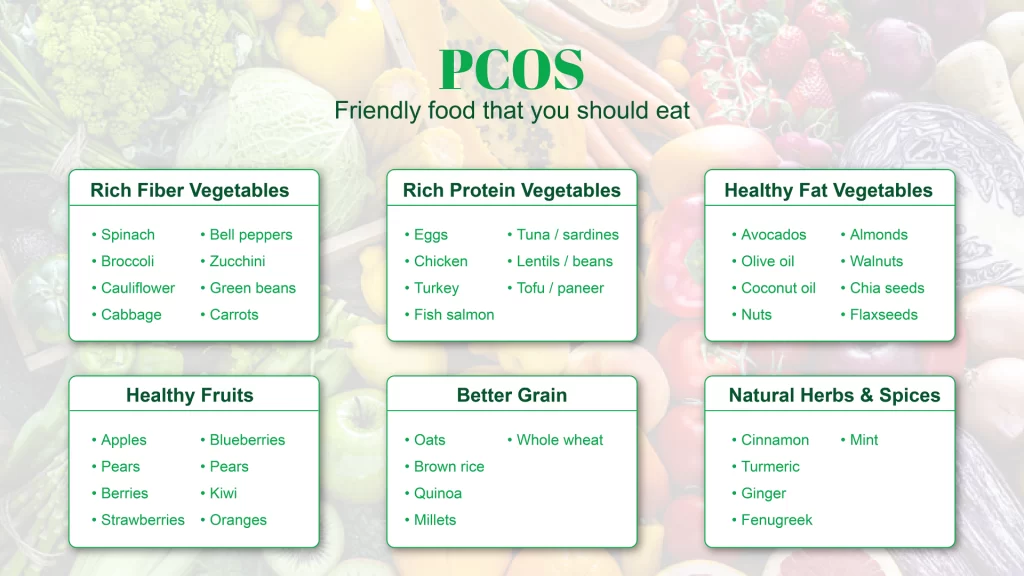
High-fiber vegetables:
Vegetables are one of the best foods for PCOS as they are rich in fiber, vitamins, and minerals, and they don’t cause any rapid rise in your blood sugar.
Here are some of the fiber-rich vegetables that are best for your PCOS:
- Spinach
- Broccoli
- Cauliflower
- Cabbage
- Bell peppers
- Zucchini
- Green beans
- Carrots
Fiber helps your digestion to slow down, which means that sugar will enter your blood slowly, and this controls your insulin levels and reduces your cravings.
A simple tip for you: Try to fill half of your plate with vegetables whenever possible.
Protein-rich foods:
Protein is very important for PCOS. It will keep you full, support your muscles, and prevents your from sudden hunger cravings.
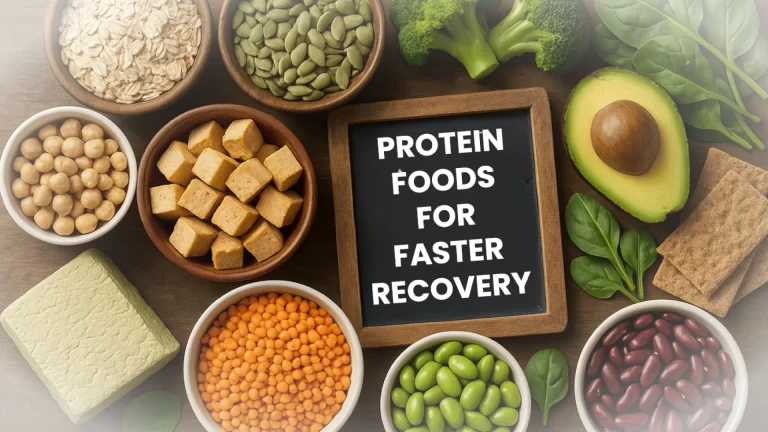
Here are some of the protein-rich foods that are best for your PCOS:
- Eggs
- Chicken
- Turkey
- Fish like salmon, tuna, and sardines
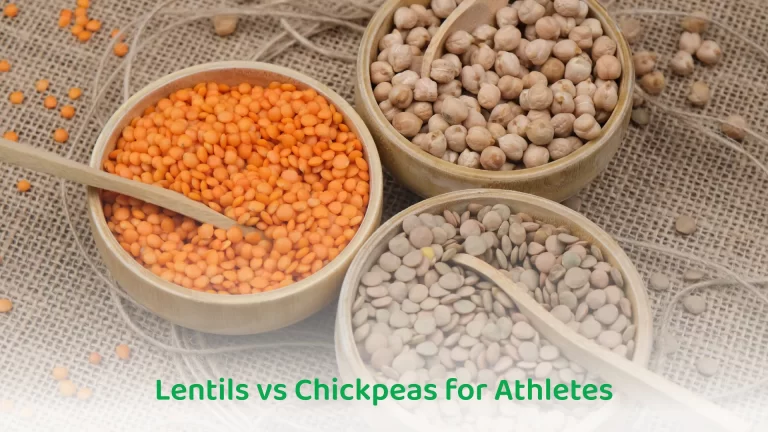
- Lentils and beans
- Tofu and paneer (in moderation)
Protein helps you balance your blood sugar and reduces your urge to snack on sugary foods.
A simple tip for you: Try to add some protein to every meal, and even breakfast.
Healthy fats:
Hormones are made from fat, which means your body actually needs healthy fats to function well.
Here are some of the healthy fat foods that are best for your PCOS:
- Avocados
- Olive oil
- Coconut oil (small amounts)
- Nuts like almonds and walnuts
- Seeds like chia seeds and flaxseeds
These healthy fats help you to reduce inflammation and support your hormone balance.
A simple tip for you: Never fear fats, just choose the natural ones and eat them in moderation for a balanced diet.
Fruits:
Fruits are often misunderstood in PCOS, but some fruits are gentle on your blood sugar. You don’t need to avoid fruit completely, but you just need to choose wisely.
Here are some of the healthy fruits that are best for your PCOS:
- Berries (strawberries and blueberries)
- Apples
- Pears
- Kiwi
- Oranges
These fruits are rich in fiber and antioxidants.
A simple tip for you: You should pair fruits with nuts or yogurt to avoid sugar spikes.
Whole grains instead of refined grains:
Whole grains usually digest slowly and keep your blood sugar more stable than other refined grains:
Here are some of the better grain choices that are best for your PCOS:
- Oats
- Brown rice
- Quinoa
- Millets
- Whole wheat (in small portions)
These grains provide you with energy without providing sudden crashes.
A simple tip for you: Portion control matters a lot, and even healthy grains should not be overeaten.
Gut-friendly foods:
Gut health and hormones are closely connected, as a healthy gut can improve your insulin sensitivity and reduce its inflammation.
Here are some of the gut-friendly foods that are best for your PCOS:
- Yogurt (unsweetened)
- Kefir
- Fermented vegetables
- Homemade curd
These foods support your good bacteria in your gut.
Natural herbs and spices:
We all know small daily habits can make a big difference; adding natural herbs and spices to your diet will help you a lot.
Here are some of the natural herbs and spices that are best for your PCOS:
- Cinnamon
- Turmeric
- Ginger
- Fenugreek
- Mint
These natural herbs and spices help you by reducing inflammation and improving your digestion.
What are the foods that you should avoid if you have PCOS?
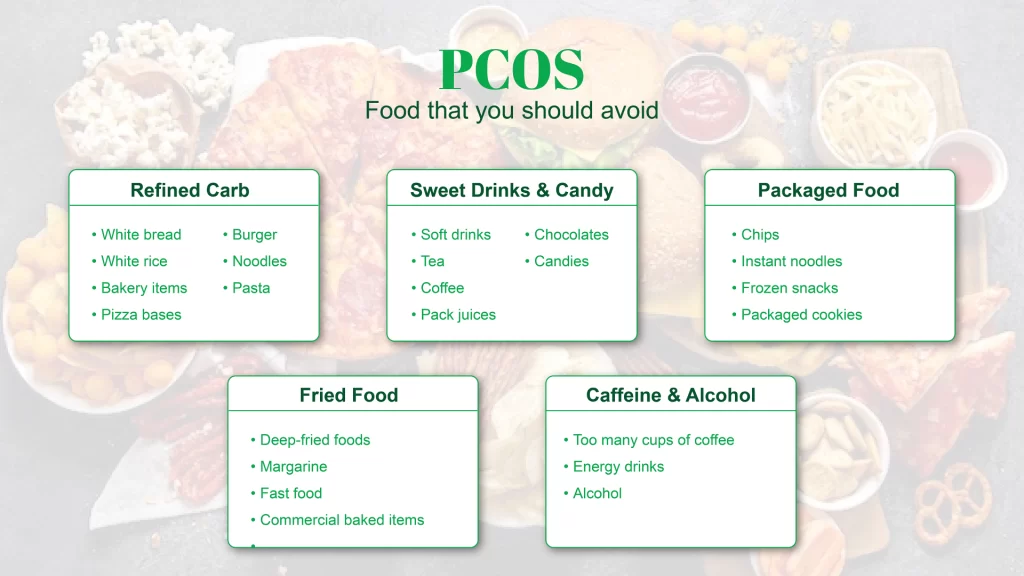
If you avoid some foods, that does not mean you can never eat them again. It means you have to be mindful and limit how often you can eat them.
Refined carbs:
Refined carbs can easily spike your blood sugar levels.
Here are some of the refined carb foods that you should avoid or reduce for your PCOS:
- White bread
- White rice
- Bakery items
- Pizza bases
- Pasta made from refined flour
These foods can increase your insulin and can worsen your PCOS symptoms.
Sugary foods and sweet drinks:
Sugar is one of the biggest triggers for PCOS.
Here are some of the sugary foods and sweet drinks that you should avoid or reduce for your PCOS:
- Soft drinks
- Sweetened tea or coffee
- Packaged juices
- Chocolates and candies
High sugar intake leads to inflammation and hormonal imbalance.
Processed and packaged foods:
Processed foods contain a lot of hidden sugars, unhealthy fats, and chemicals.
Here are some of the processed and packaged foods that you should avoid or reduce for your PCOS:
- Chips
- Instant noodles
- Frozen snacks
- Packaged cookies
These processed and packaged foods can easily confuse your hormones and digestion.
Unhealthy fats and fried foods:
Not all fats are healthy for you.
Here are some of the unhealthy fats and fried foods that you should avoid or reduce for your PCOS:
- Deep-fried foods
- Margarine
- Fast food
- Commercial baked items
These unhealthy fats and fried foods can increase your body’s inflammation and can worsen your insulin resistance.
Too much dairy:
Consuming dairy can affect some people differently.
Some people can have different outcomes from consuming dairy, such as:
- Acne flare-ups
- Bloating
- Hormonal imbalance
If you notice any of these symptoms after consuming dairy, you should reduce its intake and observe how your body reacts.
Too much caffeine and alcohol:
Consuming excessive caffeine and alcohol can disturb your hormones and sleep.
To balance your PCOS, you have to limit your intakes such as:
- Too many cups of coffee
- Energy drinks
- Alcohol
Always remember moderation is key to a balanced life.
What eating habits can you opt for to have a PCOS-balanced life?
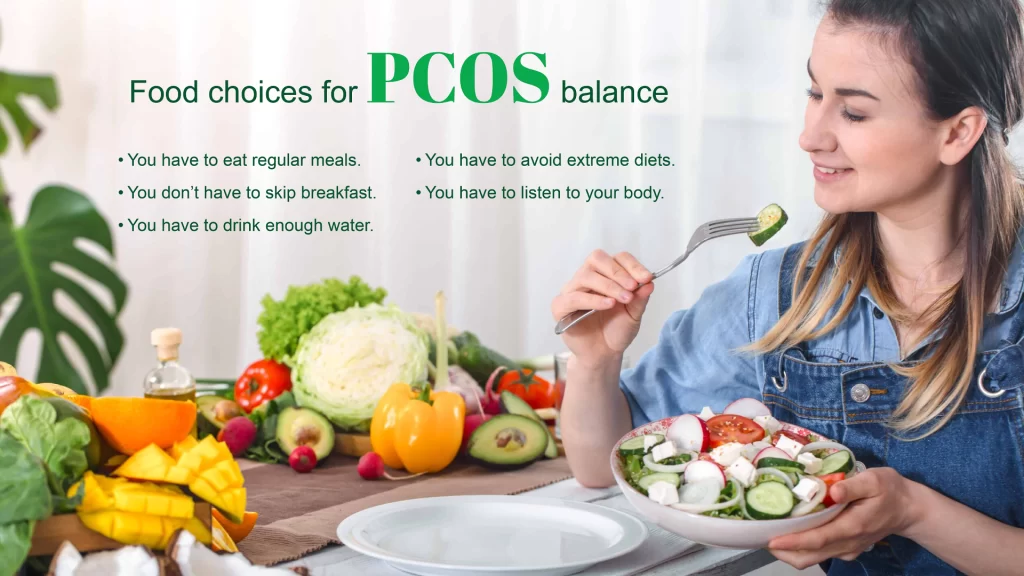
Some of the eating habits that you can opt for to have a PCOS-balanced life:
- You have to eat regular meals.
- You don’t have to skip breakfast.
- You have to drink enough water.
- You have to avoid extreme diets.
- You have to listen to your body.
Consistency in the above eating habits is more important than perfection.
What can you eat in a day for your PCOS?
Here is a simple PCOS-friendly diet for a day of eating:
Breakfast:
You can have eggs with vegetables and a sliced or whole-grain toast.
Lunch:
You can have rice or roti with vegetables and lentils or chicken.
Snacks:
Fruits with nuts.
Dinner:
Fish or tofu with vegetables.
Final thoughts
Eating well with PCOS is not about punishment; it is about helping your body every day. When you choose to eat healthy foods and limit foods that can trigger your PCOS problems, your body can start to balance itself again.
You just have to be patient and kind to yourself and always remember that small steps are important.