

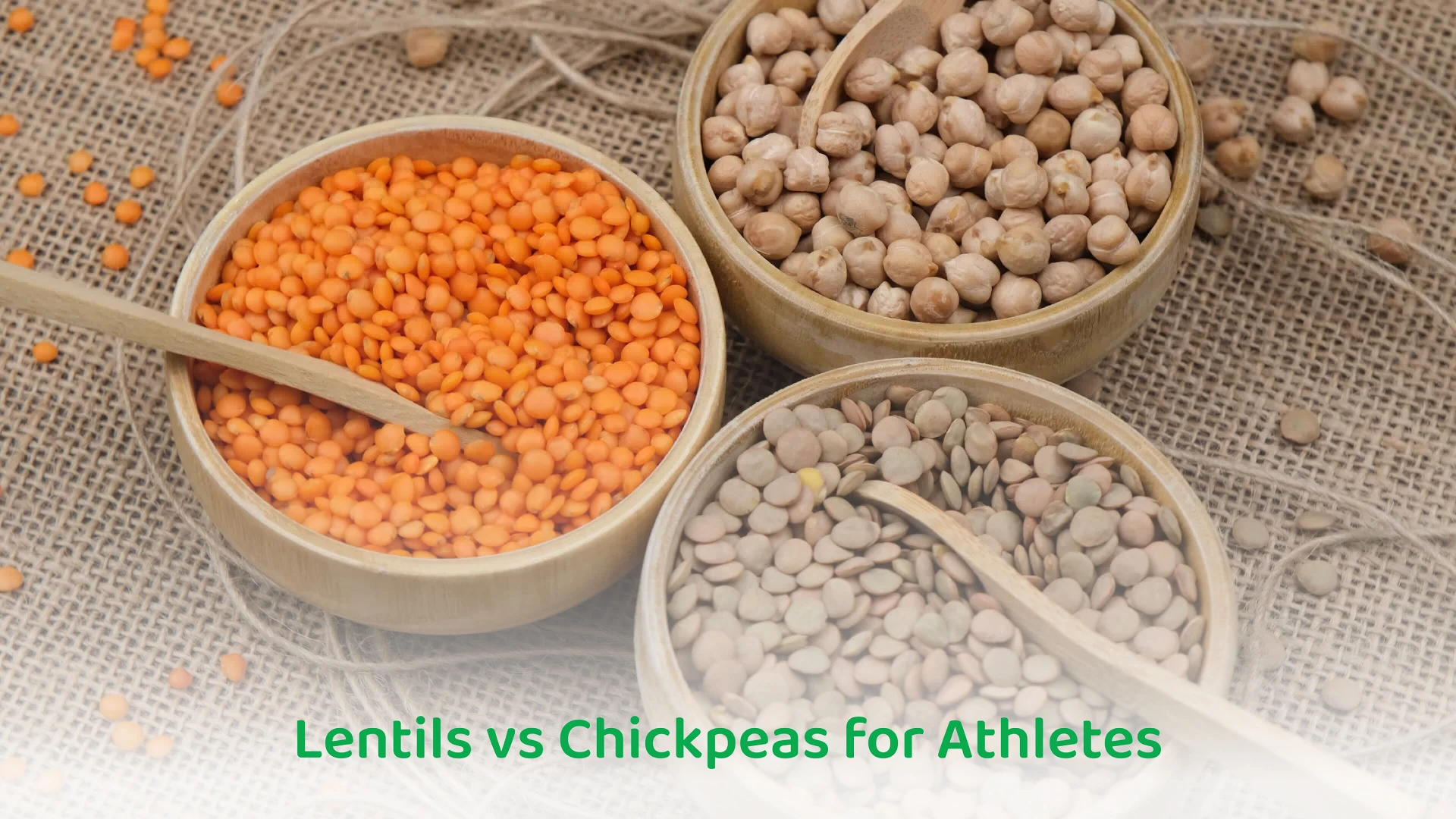
Lentils vs chickpeas for athletes: which protein source is better for performance and recovery?
If you work out regularly and try to eat clean, you have probably wondered at some point whether simple foods like lentils or chickpeas are actually helping your performance. Especially if you follow a vegetarian or plant-based diet, choosing the right protein sources becomes even more important.
Here’s the truth: both lentils and chickpeas are excellent foods for you. They are affordable, easy to cook, and packed with nutrients. But when it comes to lentils vs chickpeas for athletes, the answer is not always as simple as picking one over the other.
Many athletes think they need expensive supplements or fancy diets to improve their recovery and strength. But in reality, your daily meals matter more than anything else. Simple foods like dals and chana, when consumed in the right way, will help you support your muscle repair, energy levels, and overall performance.
In this blog, you will get to know everything in a very simple and practical way. You will get to know how lentils and chickpeas compare, which one is better in different situations, and how you can include both in your routine without overcomplicating anything.
Let’s start with the basics…
What makes protein important for athletes?
After every workout, your muscles will go through stress and small tears. This is completely normal and actually needed for your muscle growth. But to repair those muscles, your body needs more protein.
If you don’t get enough protein, you may notice the following changes in your body:
- Your muscles will remain sore for a longer time.
- You will have low energy levels.
- Your progress in improving your strength will be low.
- You will see poor performance during your workouts.
This is why choosing the right foods if you are an athlete becomes more important.
Protein helps you through the following:
- It helps you repair your muscles faster.
- It builds your strength.
- It improves your recovery speed.
- It helps you stay consistent with your training.
What nutrients do lentils provide?
Lentils are one of the most common foods consumed in many households, especially in India. These may look simple to you, but they are very powerful when it comes to nutrition.
Here’s what lentils offer to you:
- They have high protein content in them.
- They are rich in fiber.
- They have a good amount of iron in them.
- They are easy to digest.
- They are low in fat.
Lentils are especially helpful for athletes who want to eat something light but effective for providing recovery.
What nutrients do chickpeas provide?
Chickpeas are also known as channa and are another strong option as a source of protein for better performance and recovery. They are slightly heavier than lentils but provide a great mix of nutrients.
Here’s what chickpeas offer to you:
- They provide you with good protein content.
- They are high in fiber.
- They are a source of healthy carbohydrates.
- They are rich in vitamins and minerals.
- They keep you full for longer.
Chickpeas are great if you want both energy and protein in one meal.
Lentils vs chickpeas for athletes: which has more protein?
When comparing lentils vs chickpeas for athletes, protein content is usually the first thing people look at.
Here’s how much protein content you get from lentils and chickpeas:
- Lentils (1 cup cooked): They provide around 18g of protein.
- Chickpeas (1 cup cooked): They give you around 14-15g of protein.
So, yes, lentils have slightly more protein than chickpeas, but that doesn’t mean chickpeas are not useful. They still provide a solid amount of protein along with other benefits.
Which one is better for muscle recovery?
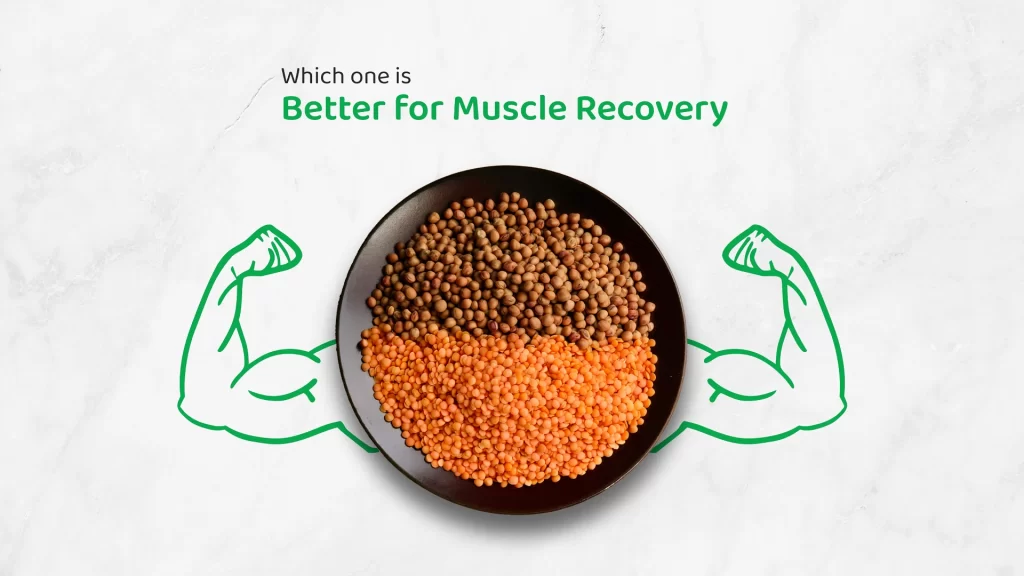
If your main goal is faster muscle recovery after your workouts, then lentils are the best option for you.
Here’s the reason why lentils are better for your muscle recovery:
- They have higher protein content.
- They are easy to digest.
- They are light on the stomach.
- They have quick absorption.
The above reasons make lentils a great post-workout meal option.
However, chickpeas can still support your recovery when you combine them with other good foods.
Which one gives more energy for workouts?
When it comes to energy, chickpeas work better for you and give you more energy for workouts.
Here’s the reason why chickpeas are good for energy for your workouts:
- They are high in carbohydrates.
- They keep you full for longer.
- They give you steady energy release.
This makes chickpeas a better option before workouts or as a mid-day meal.
So, due to the above reasons, chickpeas win when it comes to sustained energy.
Which one is easier to digest?
Digestion matters more than anything, especially for athletes who train regularly.
- Lentils are easier to digest.
- Chickpeas can feel heavier to you if you eat them in large amounts.
If you often feel bloated or heavy after meals, then lentils may be a better choice for you.

Which one is better for weight management?
Both foods can help you, but they work slightly differently. Below are some points that are different from each other.
Lentils:
- They are low in calories.
- They are good for your fat loss.
- They are light and filling.
Chickpeas:
- It is more filling.
- It helps you control hunger.
- It is slightly higher in calories.
If your goal is fat loss, then lentils may be a better option, and if your goal is staying and avoiding overeating, then chickpeas is better option for you.
Can you combine lentils and chickpeas?
Yes, you can combine lentils and chickpeas. Instead of choosing between lentils and chickpeas for athletes, combining both will give you better results.
Here’s the reason why combining lentils and chickpeas is the best option:
- You will get a better mix of nutrients.
- You will get improved protein quality.
- You will be able to balance energy and recovery.
Here are some simple ways through which you can combine both:
- You can make dal (lentils) with roasted channa.
- You can make chickpea salad with lentil soup.
- You can mix sprouts with both lentils and chickpeas.
Combining both foods is always smarter than relying on just one.
When should athletes eat lentils or chickpeas?
Timing also plays a role in how your body uses these foods. Here’s a simple guide for you to understand what and when:
Before a workout for energy:
You can eat chickpeas boiled or roasted.
After a workout for recovery:
You can eat lentils (dal) with rice or roti.
Anytime meal:
You can eat a combination of both.
You don’t need to stress too much about timing, but making some small adjustments can improve your results.
How much should you eat daily?
Your protein needs completely depend on your activity level. Here are simple guidelines for you that you can follow:
- If you are a beginner, then you should eat 0.8-1g of protein per kg of your body weight. For example: If you weigh 60kg, you should eat 48-60g of protein per day.
- If you are into regular training, then you should eat 1-1.5g per kg of your body weight. For example: If you weigh 60kg, then you should eat 60-90g of protein per day.
- If you are into muscle building, then you should eat up to 2g per kg of your body weight. For example: If you weigh 60kg, then you should eat 90 to 120g of protein per day.
You can easily meet these needs by including lentils, chickpeas, and other protein foods in your meals.
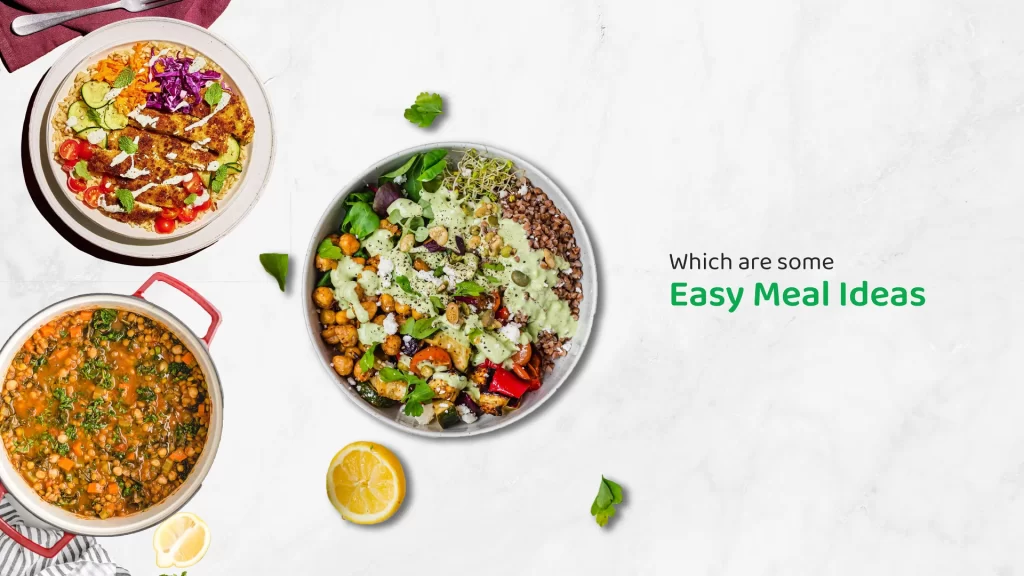
What are some easy meal ideas?
Here are some simple ways to include both of your protein foods in your daily diet routine:
Breakfast:
You can eat sprouts with chickpeas and vegetables.
Lunch:
You can eat dal with rice and salad.
Evening snack:
You can consume roasted channa.
Dinner:
You can eat chickpea curry or lentil soup with roti.
You have to keep it simple and be consistent for good results.
What mistakes should you avoid?
Even if you are eating healthy foods and being consistent, some mistakes can slow your progress.
You have to avoid these common mistakes:
- Relying on only one protein source.
- Skipping post-workout meals.
- Not eating enough overall.
- Ignoring balance in meals.
The goal is not just about eating, but you should eat the protein properly.
Lentils vs chickpeas: Which one is better for you?
Now, let’s come to the main question.
The honest answer for Lentils vs chickpeas: Which one is better for you is:
- Lentils are better for your muscle recovery and digestion.
- Chickpeas are better for energy, and it helps you stay full for the whole day.
But the real winner is the combination of both lentils and chickpeas.
When you combine both lentils and chickpeas, you will get:
- Better nutrition.
- Balanced energy.
- Improved recovery.
- More variety in meals.
So, instead of choosing one, you can use both smartly in your diet.
Final thoughts
When it comes to fitness, many people often look for complicated solutions, but most of the time, simple foods do the job really well. Lentils and chickpeas are a perfect example of those simple foods, as they are affordable, easy to cook, and very effective for athletes.
You don’t need to overthink the debate of lentils and chickpeas, and you just have to remember:
- You have to just eat enough protein.
- You have to mix your food sources.
- You have to stay consistent.
- You have to keep your meals simple.
If you follow this approach, your recovery, strength, and performance will naturally improve over time.
FAQs
Q1: Are lentils better than chickpeas for muscle building?
Ans: Lentils have slightly more protein, so they are better for muscle recovery, but both are useful if you want muscle building.
Q2: Can I eat chickpeas after a workout?
Ans: Yes, you can eat chickpeas after a workout, but lentils are easy to digest after workouts. Chickpeas are better for you when you combine them with other good foods.
Q3: Which is better for weight loss?
Ans: Lentils are slightly better for your weight loss due to low calories, but chickpeas help you control your hunger.
Q4: Can I eat both chickpeas and lentils in my daily meals?
Ans: Yes, you can eat both chickpeas and lentils in your daily meals for better nutrition.
Q5: Do I need supplements if I eat these foods?
Ans: No, you don’t need supplements if you eat these foods, meet your protein needs, and keep your diet balanced and consistent.