

High-protein vegetarian meal prep for a week (athlete edition)
When I started working with athletes who preferred vegetarian food, I noticed a common concern they all had in their minds: “Am I getting enough protein as a vegetarian?”
Many of them were training hard, staying consistent with their workouts, and still feeling low on energy or struggling with recovery. The main problem was not in their effort but in their nutrition planning.
That’s when I introduced them to a structured high-protein vegetarian meal prep routine. Instead of guessing what to eat every day, we planned their meals for the entire week with a clear focus on protein, balance, and recovery. And, within a few weeks, they noticed better strength, improved stamina, and faster recovery after workouts.
If you are a vegetarian athlete or someone who trains regularly, then this blog will help you understand how you can build a simple and effective vegetarian meal prep for athletes without making it complicated for you. Everything in this blog is simple, easy to follow, and designed for real life.
Let’s start with the basics first…
What is a high-protein vegetarian meal prep, and why does it matter?
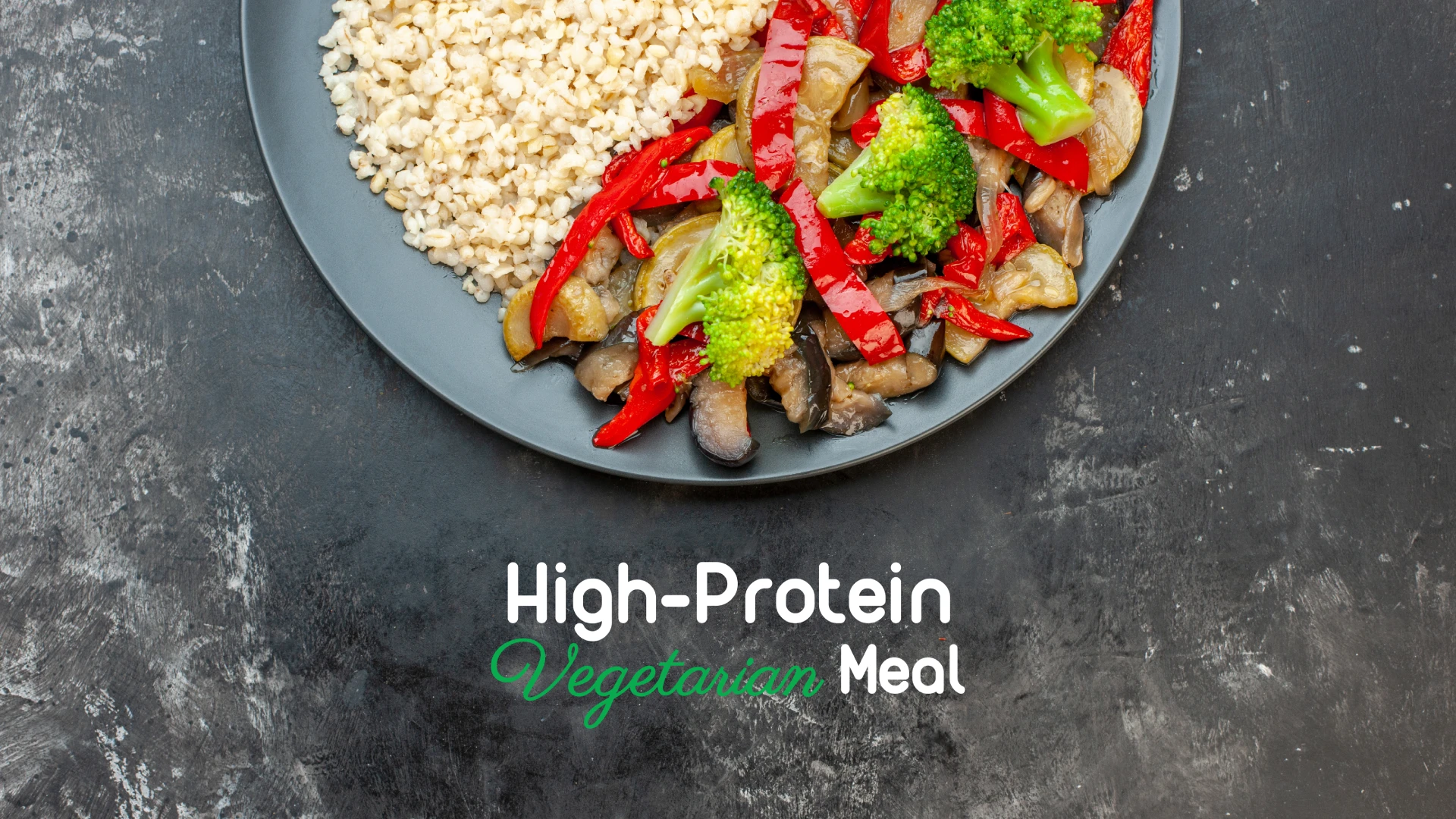
A high-protein vegetarian meal prep simply means planning and preparing your meals in advance with a strong focus on protein-rich vegetarian foods. For vegetarian athletes, protein is not just about muscle building. It helps in recovery, reduces soreness, and keeps your energy stable.
Most vegetarian diets in India or globally are naturally high in carbs but often low in protein if not planned properly. That’s where athletes struggle.
When you prep your vegetarian meals, you have to remember to:
- Avoid last-minute healthy choices in your diet.
- Ensure consistent protein intake.
- Save your time during busy training days for preparing meals.
- Support better performance and recovery.
One of my clients, Ritik, used to rely on some random meals throughout the day. Once we structured his weekly meal prep, his strength improved noticeably within 3 weeks.
How much protein do vegetarian athletes really need?
This is the most common question that always comes to the mind of an athlete. For athletes, the protein needs are higher than average:
- If you are doing moderate training: You need 1.2-1.6g per kg of protein of your body weight.
- If you are doing intense training: You need 1.6-2.2g per kg of protein of your body weight.
For example, if you weigh 70kg, you may need around 90-140g of protein daily, which completely depends on your training intensity. The main key is spreading protein across the meals instead of eating it all at once. That’s where a smart vegetarian meal prep for athletes becomes useful.
What are the best vegetarian protein sources that you can include in your meal?
You don’t need any fancy or expensive foods to meet your protein goals. Some simple and easily accessible ingredients will also work best for you.
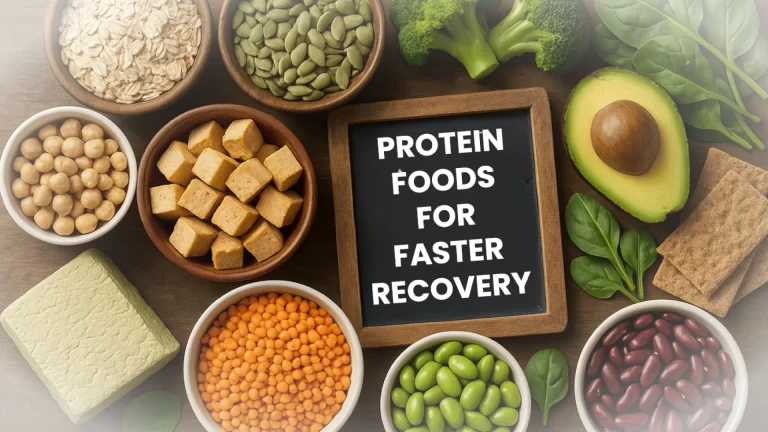
Here are some high-protein vegetarian staples for you:
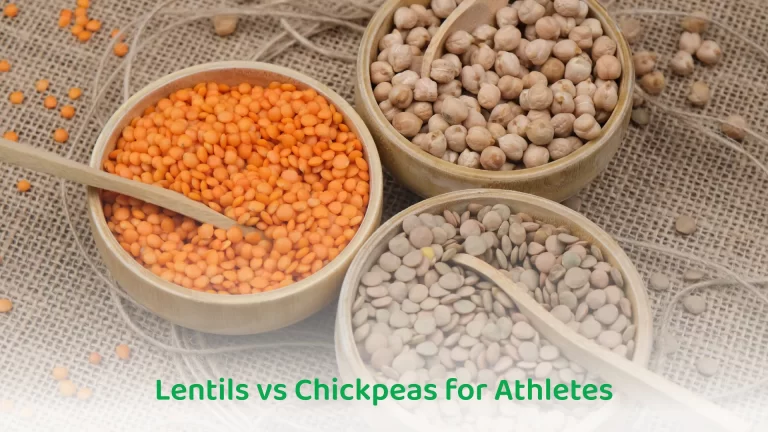
- Lentils (dal)
- Chickpeas (chole)
- Kidney bean (rajma)
- Panner
- Tofu
- Greek yogurt or curd
- Soy chunks
- Quinoa
- Oats
- Nuts and seeds
Mixing these foods helps you get complete protein and will help you to keep your meals interesting.
How do you plan a weekly high-protein vegetarian meal prep?
Let’s keep the weekly high-protein vegetarian meal prep plan simple and realistic for you.
Step 1: Choose 2-3 protein sources for the week
Example: You can add paneer, lentils, and chickpeas.
Step 2: Cook in batches
You have to prepare large portions that last 2-3 days.
Step 3: Balance your meals
Each meal of yours should have the following: Protein Complex carbs Healthy fats
Step 4: Store smartly
You have to use proper air-tight containers and refrigerate your food properly.
Step 5: Keep it flexible
You don’t have to aim for perfection, but you have to remember to be consistent.
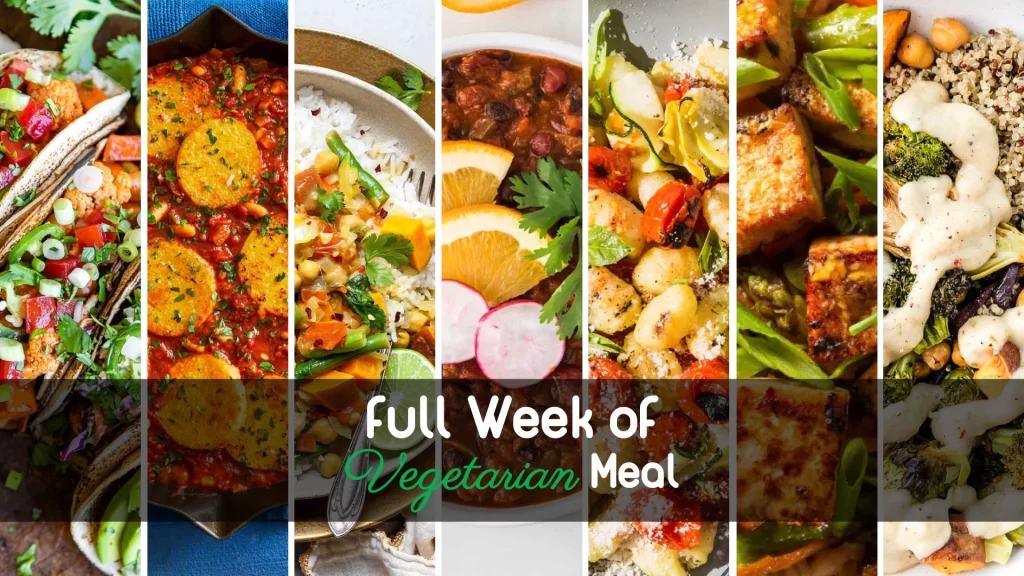
What does a full week of vegetarian meals look like?
Here is a simple, athlete-friendly plan that gives you an idea of high-protein vegetarian meals:
Breakfast options:
You can choose among the following breakfast options:
- Oats with milk, chia seeds, and peanut butter.
- Panner-stuffed roti with curd.
- Smoothie with banana, protein powder (optional), and nuts.
Lunch options:
You can choose among the following lunch options:
- Brown rice + dal + salad
- Quinoa bowl with chickpeas and veggies
- Roti + paneer curry
Snack options:
You can choose among the following snack options:
- Roasted channa
- Greek yogurt with seeds
- Peanut butter sandwich
- Boiled chickpea salad
This simple and realistic plan helps you hit your protein goals without overthinking your daily meals.
How do you prep meals efficiently without getting bored?
Meal prep doesn’t mean you have to eat the same thing every day.
Here’s how you can keep your meal preps interesting for yourself without getting bored:
- You can use different spices and flavours for your meal prep.
- You can change your cooking style for each meal prep from grill to saute to boil.
- You can rotate protein sources every few days.
- You can add fresh salads or dips.
For example, chickpeas can be:
- Chole
- Salad
- Stir-fry
- Wrap filling
Some small changes can make a big difference in your consistency.
Can vegetarian athletes build muscle with a high-protein vegetarian meal?
Yes, absolutely, vegetarian athletes can build muscle with a high-protein vegetarian meal. You may not know that many people believe that you cannot build muscle on a vegetarian diet, but that is not true. The key is to plan your high-protein vegetarian meal prep correctly.
When your protein intake is adequate and consistent, you will notice that:
- Your muscle recovery improves.
- Your body strength increases.
- Fat loss becomes easier for you.
One of my clients, Urvi, followed a structured vegetarian meal prep along with strength training. Within 8 weeks, she saw visible muscle tone and better endurance.
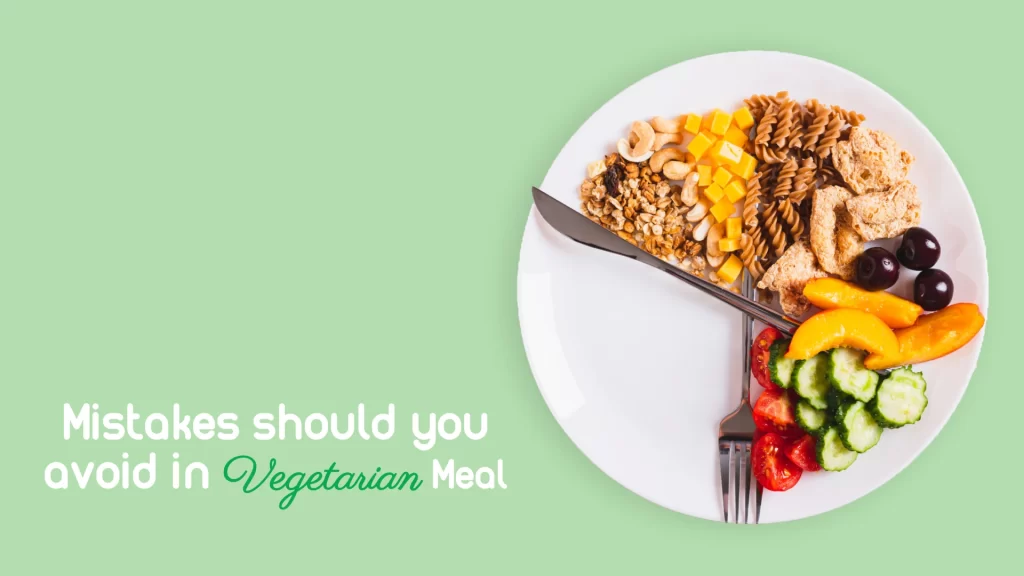
What mistakes should you avoid in vegetarian meal prep?
Even a good vegetarian meal prep can fail if you make some common mistakes.
Here are those common mistakes you have to avoid:
- Not eating enough protein.
- Relying only on carbs such as roti and rice.
- Skipping meals due to poor meal planning.
- Not prepping in advance.
- Ignoring hydration.
Avoiding these mistakes will save you time and frustration.
How important is timing in an athlete’s meal prep?
Timing plays a big role, especially for athletes.
Here is a simple structure of timing for you to understand:
- Pre-workout: Light carbs + small protein (banana + peanut butter)
- Post-workout: High protein meal (panner, dal, and tofu)
- Throughout the day: Balanced meals every 3-4 hours.
Your vegetarian meal prep for athletes should support your training schedule, not work against it.
Can you meal prep on a budget?
Yes, you can meal prep on a budget, and it is actually easier than you think.
Here are some budget-friendly protein sources for you:
- Lentils
- Chickpeas
- Soy chunks
- Peanuts
- Seasonal vegetables
Buying in bulk and cooking at home helps you reduce your costs significantly. Meal prep is not expensive, but poor planning is.
How does consistency improve athletic performance?
Consistency is where the real magic happens.
When you follow a structured high-protein vegetarian meal prep, you will notice the following things in your body:
- Your energy levels stay stable.
- Your workouts feel stronger.
- Your recovery improves.
- Your cravings reduce.
Athletes who stay consistent with nutrition always outperform those who rely on random eating habits.
Can small changes in diet really improve performance?
Yes, small changes in diet can really improve performance, and I have seen it many times.
Some small changes that helped my clients are:
- Adding protein to every meal.
- Prepping meals twice a week.
- Replacing the junk snacks with protein-rich options.
- Keeping yourself hydrated.
These simple habits can lead to big long-term results.
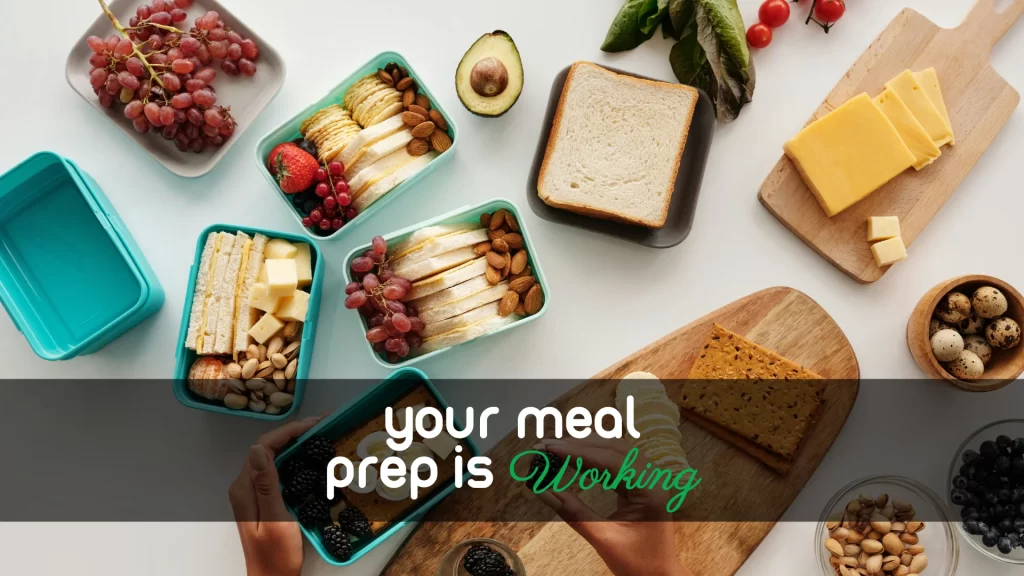
How do you know if your meal prep is working?
You can know if your meal prep is working or not if you notice the following changes in your body, instead of a weight change.
Here are some real indicators that help you know your vegetarian meal prep for athletes is working:
- You are getting better energy during workouts.
- You notice faster recovery
- Your fatigueness reduce.
- You see improved strength.
- You have a stable mood and focus.
Final Thoughts
A high-protein vegetarian meal prep is not about some strict diets or complicated recipes. It is all about creating a system for you that supports your training, your recovery, and your lifestyle.
From my experience working with my clients, the biggest transformation happens when they stop guessing about anything and start planning. Once you get a simple weekly structure, everything becomes easier.
Here’s what you should remember:
- You have to focus on protein in every meal.
- You have to prep your food in advance.
- You have to keep your meals simple and practical.
- You have to stay consistent instead of being perfect.
If you have been struggling with energy, recovery, or performance, you have to start with energy, recovery, or performance, start with your nutrition. A well-planned vegetarian meal prep can completely change how you feel and perform.
FAQs about high-protein vegetarian meal prep for a week
Q1: What is a high-protein vegetarian meal prep?
Ans: High-protein vegetarian meal prep is a way of planning and preparing vegetarian meals in advance with a focus on high protein intake to support your fitness and recovery.
Q2: Can vegetarian athletes get enough protein?
Ans: Yes, vegetarian athletes get enough protein with proper planning by using foods like lentils, paneer, tofu, and legumes.
Q3: How many days should I meal prep for?
Ans: Ideally, you should meal prep for 3-4 days at a time to keep your food fresh and manageable.
Q4: Do I need supplements for a vegetarian diet?
Ans: No, you don’t always need supplements for a vegetarian diet, but some athletes can benefit from protein powders if needed.
Q5: Is meal prep necessary for your fitness results?
Ans: Meal prep is not necessary for your fitness results, but it helps in making your consistency much easier, which is the key to long-term fitness success.